Author: BoundtoBooks

  • The 10 Best Fiction Books of 2025 (So Far) – Must-Reads You Can’t Put Down!

    2025 has already delivered some unforgettable fiction, from high-stakes fantasies to deeply moving contemporary novels. Whether you’re looking for a heart-wrenching family saga, an edge-of-your-seat thriller, or a sweeping romance, this list has something for every reader.

    Here are the top 10 must-read fiction books of 2025 (so far)—all packed with compelling characters, immersive storytelling, and unmissable moments.

    1. Onyx Storm by Rebecca Yarros

    Genre: Fantasy / Romance

    Rebecca Yarros is back with another explosive entry in The Empyrean series. Onyx Storm picks up where Iron Flame left off, throwing Violet Sorrengail into even more danger, deception, and dragon-fueled warfare.

    Why You’ll Love It:

    ✅ High-stakes fantasy with intricate world-building

    ✅ A swoon-worthy romance

    ✅ Political intrigue and shocking betrayals

    If you loved Fourth Wing, this is a must-read sequel.

    Read Onyx Storm on Audible. (Affiliate link)

    2. Dream Count by Chimamanda Ngozi Adichie

    Genre: Contemporary Fiction

    Adichie delivers another masterpiece with Dream Count, a multi-layered novel exploring the intertwined lives of four women navigating love, ambition, and cultural identity.

    Why You’ll Love It:

    ✅ Stunning prose and emotional depth

    ✅ Thought-provoking themes of immigration and belonging

    ✅ Characters that stay with you long after the final page

    If you’re a fan of literary fiction that makes you feel, this one’s for you.

    Get Dream Count on Audible. (Affiliate link)

    3. Three Days in June by Anne Tyler

    Genre: Literary Fiction / Family Drama

    Anne Tyler masterfully captures the messy, beautiful reality of family life in this intimate, slice-of-life novel about a mother-of-the-bride navigating complicated relationships in the days leading up to her daughter’s wedding.

    Why You’ll Love It:

    ✅ Relatable characters and realistic family dynamics

    ✅ A heartwarming, humorous exploration of love and connection

    ✅ Tyler’s signature storytelling—effortless and deeply moving

    Perfect for fans of Taylor Jenkins Reid and Elizabeth Strout.

    Listen to Three Days in June on Audible. (Affiliate link)

    4. We All Live Here by Jojo Moyes

    Genre: Women’s Fiction / Contemporary Fiction

    A beautifully told story about second chances, We All Live Here follows Lila Kennedy as she struggles to rebuild her life after a failed marriage—only to have her estranged father return, forcing her to confront old wounds.

    Why You’ll Love It:

    ✅ Heartfelt and emotionally resonant

    ✅ Themes of forgiveness and family healing

    ✅ Jojo Moyes’ signature storytelling magic

    A great pick for fans of Me Before You.

    Read We All Live Here on Audible. (Affiliate link)

    5. Isola by Allegra Goodman

    Genre: Historical Fiction

    Inspired by real events, Isola is an unforgettable historical novel about a young woman stranded on a deserted island in the 16th century. Survival, forbidden love, and fate intertwine in this breathtaking story.

    Why You’ll Love It:

    ✅ Rich historical details and atmospheric writing

    ✅ A powerful female protagonist

    ✅ Themes of survival and resilience

    If you enjoyed Circe or The Island of Missing Trees, this one is for you.

    Get Isola on Audible. (Affiliate link)

    6. Good Dirt by Charmaine Wilkerson

    Genre: Family Saga / Historical Fiction

    A multi-generational epic, Good Dirt unearths family secrets and explores the emotional legacy passed down through generations.

    Why You’ll Love It:

    ✅ Beautiful, lyrical writing

    ✅ A powerful family narrative

    ✅ Deeply emotional and layered

    A perfect read for fans of The Vanishing Half.

    Listen to Good Dirt on Audible. (Affiliate link)

    7. Beautiful Ugly by Alice Feeney

    Genre: Psychological Thriller

    In this gripping thriller, a writer’s wife disappears—only for him to spot her in the crowd a year later. But is it really her, or just someone who looks exactly like her?

    Why You’ll Love It:

    ✅ Twisty and full of suspense

    ✅ Dark secrets and unreliable narrators

    ✅ A shocking ending you won’t see coming

    If you loved Gone Girl or The Silent Patient, you’ll devour this.

    Get Beautiful Ugly on Audible. (Affiliate link)

    8. Great Big Beautiful Life by Emily Henry

    Genre: Romance / Contemporary Fiction

    Emily Henry delivers another swoon-worthy romance about two rival writers who unexpectedly fall for each other while chasing the same dream.

    Why You’ll Love It:

    ✅ Sharp, witty dialogue

    ✅ A lovable, slow-burn romance

    ✅ The perfect balance of humor and heart

    If you adore Book Lovers and People We Meet on Vacation, this is a must-read.

    Read Great Big Beautiful Life on Audible. (Affiliate link)

    9. The Emperor of Gladness by Ocean Vuong

    Genre: Literary Fiction

    A deeply poetic, emotionally raw novel about identity, grief, and human connection. Vuong’s writing is as breathtaking as ever.

    Get The Emperor of Gladness on Audible. (Affiliate link)

    10. When the Moon Hits Your Eye by John Scalzi

    Genre: Sci-Fi / Satire

    A hilarious and thought-provoking look at what happens when the moon suddenly transforms into… cheese? Scalzi blends humor and high-concept sci-fi in a way only he can.

    Listen to When the Moon Hits Your Eye on Audible. (Affiliate link)

    Which of these 2025 books are you adding to your reading list? Let me know in the comments!

  • 7 Life-Changing Personal Development Books You’ve Never Heard Of (But Should Read ASAP)

    Personal development books are a dime a dozen, with the same titles popping up on every list—Atomic Habits, The 7 Habits of Highly Effective People, The Subtle Art of Not Giving a Fck*. Great books, sure, but what about the hidden gems? The books that could transform your life but never quite made it into the mainstream?

    This post is dedicated to the best personal development books you’ve never heard of—books that might not be household names but contain profound insights and practical wisdom. Whether you’re looking to break bad habits, unlock creativity, or rewire your thinking, these underrated books deserve a spot on your shelf.

    1. The Courage to Be Disliked by Ichiro Kishimi and Fumitake Koga

    The Courage to Be Disliked: How to Free Yourself, Change Your Life, and Achieve Real Happiness

    Why You’ve Never Heard of It

    This book originated in Japan and took years before it gained quiet momentum in Western circles. Unlike mainstream self-help books, it doesn’t promise overnight transformation—it challenges your very understanding of happiness.

    What It’s About

    Rooted in the philosophy of Alfred Adler, The Courage to Be Disliked takes the form of a dialogue between a philosopher and a skeptical young man. The core idea? Your past does not define you, and you can change your life simply by choosing to live differently today.

    Unlike Freudian psychology, which attributes behavior to past trauma, Adlerian psychology insists that your suffering exists because you choose it—an idea that can be liberating or deeply uncomfortable.

    Who Should Read It

    If you struggle with people-pleasing, overanalyzing the past, or feeling “stuck,” this book will challenge your assumptions and help you break free from self-imposed limitations.

    2. The Great Work of Your Life by Stephen Cope

    Why You’ve Never Heard of It

    It’s often overshadowed by mainstream books on purpose, like The Purpose Driven Life or Ikigai. But this book is different—it blends ancient wisdom with modern storytelling.

    What It’s About

    Using the Bhagavad Gita—a 2,000-year-old Hindu scripture—as a foundation, Stephen Cope explores the idea of dharma, or one’s true purpose. He weaves in stories of famous and unknown figures alike, from Walt Whitman to Jane Goodall, showing how they discovered and followed their life’s calling.

    Rather than giving you step-by-step advice, this book provides deep insight into why finding your purpose matters and how people have struggled (and succeeded) in their own quests.

    Who Should Read It

    If you’re at a crossroads in life—feeling unsure about your career, creative work, or direction—this book offers a powerful, perspective-shifting guide to discovering your personal path.

    3. The Antidote: Happiness for People Who Can’t Stand Positive Thinking by Oliver Burkeman

    Why You’ve Never Heard of It

    Burkeman’s book stands in direct contrast to mainstream self-help books that preach relentless positivity. Because of that, it’s often overlooked by those searching for a “feel-good” fix.

    What It’s About

    Tired of toxic positivity? The Antidote argues that the relentless pursuit of happiness often leads to more anxiety and dissatisfaction. Instead of chasing happiness, Burkeman explores alternative philosophies—Buddhism, Stoicism, and even the thoughts of death—showing that true contentment often comes from accepting life’s uncertainty rather than trying to control it.

    Who Should Read It

    If you’re tired of “just think positive!” advice and want a more practical, realistic approach to happiness, this book is a game-changer.

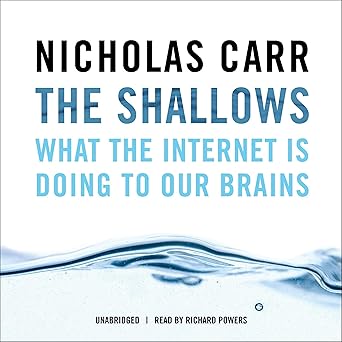
    4. The Shallows: What the Internet Is Doing to Our Brains by Nicholas Carr

    Why You’ve Never Heard of It

    While books like Digital Minimalism and Indistractable have gained traction, The Shallows remains criminally underappreciated—even though it was a Pulitzer Prize finalist.

    What It’s About

    This book isn’t just about limiting screen time—it’s about how the way we use technology is fundamentally rewiring our brains. Carr explains how the constant barrage of information, notifications, and shallow scrolling is making us less capable of deep thinking, focus, and creativity.

    Who Should Read It

    If you struggle with focus, feel like your attention span is shrinking, or want a deeper understanding of how modern technology is shaping human cognition, The Shallows is a must-read.

    5. The War of Art: Break Through the Blocks and Win Your Inner Creative Battles by Steven Pressfield

    Why You’ve Never Heard of It

    It’s widely praised in creative circles but rarely appears on mainstream self-help lists. If you’re not an artist or writer, you might have completely overlooked it.

    What It’s About

    This book tackles the real reason people fail to pursue their creative passions: resistance. Resistance is that invisible force that keeps you from starting a book, launching a business, or sticking to a workout plan.

    Pressfield treats resistance like an enemy in battle, showing how to recognize, fight, and ultimately defeat it. His writing is punchy, direct, and deeply motivating.

    Who Should Read It

    If you’ve ever procrastinated on a creative project, felt imposter syndrome, or struggled to stay consistent with your work, The War of Art will give you the mental toughness to push through.

    6. Dopamine Nation: Finding Balance in the Age of Indulgence by Anna Lembke

    Why You’ve Never Heard of It

    While books like Atomic Habits and Hooked focus on habits and addiction from a behaviorist standpoint, Dopamine Nation delves into the neuroscience behind why we overconsume everything from social media to sugar.

    What It’s About

    Lembke, a psychiatrist, explains how modern society is designed to overstimulate our brains, making it harder to experience real pleasure. She outlines why constant dopamine hits (from food, technology, drugs, etc.) are leading to a rise in addiction-like behaviors—and what we can do to reset our pleasure-reward system.

    Who Should Read It

    If you’ve struggled with compulsive behaviors, social media addiction, or simply feel like nothing is ever “enough,” this book will help you understand and break free from modern overstimulation.

    7. Four Thousand Weeks: Time Management for Mortals by Oliver Burkeman

    Why You’ve Never Heard of It

    Unlike typical productivity books that promise you can do more in less time, this book forces you to accept that you can’t do everything—and that’s okay.

    What It’s About

    With an average lifespan of 4,000 weeks (about 76 years), Burkeman argues that time management shouldn’t be about cramming in more tasks—it should be about prioritizing what really matters.

    Rather than giving hacks to optimize every second, he challenges readers to embrace imperfection, let go of unnecessary obligations, and focus on what truly brings fulfillment.

    Who Should Read It

    If you feel overwhelmed by never-ending to-do lists or constantly feel like you’re running out of time, this book offers a radical, refreshing perspective.

    Final Thoughts

    While mainstream personal development books have their place, sometimes the most life-changing insights come from the books that fly under the radar. Whether you’re looking to break free from negativity, overcome procrastination, or rethink your entire approach to life, these hidden gems have the power to shift your mindset in ways you never expected.

    So, which one will you read first?

    Disclosure: This post contains affiliate links. If you sign up for a free Audible trial or make a purchase through these links, I may earn a small commission at no extra cost to you. This helps support my work and allows me to keep providing book recommendations. Thank you for your support!

  • The Psychology of Wealth: Why The Psychology of Money is the Defining Finance Book of the Decade So Far

    In the realm of personal finance literature, the 2020s have introduced a plethora of insightful works aimed at guiding individuals toward financial independence and literacy. Among these, one book stands out for its profound impact and widespread acclaim: “The Psychology of Money” by Morgan Housel. This seminal work delves deep into the intricate relationship between human behavior and financial decision-making, offering timeless lessons that resonate with readers across various demographics.

    Understanding the Premise

    Morgan Housel, a seasoned financial journalist and partner at the Collaborative Fund, brings a unique perspective to personal finance. In “The Psychology of Money,” he posits that financial success is not solely determined by knowledge of markets or economic theories but is profoundly influenced by human behavior and psychology. Housel emphasizes that understanding one’s relationship with money is crucial for making sound financial decisions.

    Key Themes and Insights

    1. The Influence of Behavior Over Intelligence

    Housel argues that financial outcomes are more closely tied to behavior than intelligence. He illustrates this by highlighting instances where individuals with modest incomes accumulate significant wealth through disciplined habits, while others with substantial earnings may struggle due to poor financial behaviors. This theme underscores the importance of self-awareness and emotional regulation in financial planning.

    2. The Role of Luck and Risk

    The book delves into the often-overlooked roles of luck and risk in financial success. Housel cautions against attributing success solely to personal effort, acknowledging that external factors and timing can significantly impact outcomes. This perspective fosters humility and encourages readers to prepare for a range of possibilities, recognizing the unpredictability inherent in financial markets.

    3. The Power of Compounding

    Housel eloquently explains the exponential growth potential of compounding, using relatable anecdotes to demonstrate its impact over time. He emphasizes the value of patience and long-term thinking, advocating for consistent, incremental investments as a pathway to wealth accumulation.

    4. Tailoring Financial Strategies to Personal Goals

    Rejecting a one-size-fits-all approach, Housel encourages readers to align their financial decisions with personal values and life goals. He discusses the concept of “enough,” prompting individuals to define their own benchmarks for success and contentment, thereby avoiding the pitfalls of comparison and societal pressure.

    Reception and Impact

    Since its publication, “The Psychology of Money” has garnered widespread acclaim for its accessible prose and profound insights. It has been lauded for bridging the gap between financial theory and practical application, making complex concepts relatable to a broad audience. The book’s emphasis on behavior and psychology has resonated particularly in an era marked by economic uncertainty and market volatility.

    Financial educators and advisors have incorporated Housel’s insights into their teachings, highlighting the book’s relevance in both personal and professional contexts. Its influence extends beyond traditional finance circles, sparking discussions about the emotional and psychological facets of money management in various forums and platforms.

    Comparative Analysis

    While several notable personal finance books have emerged in the 2020s, “The Psychology of Money” distinguishes itself through its focus on the human elements of financial decision-making. For instance, Ramit Sethi’s “I Will Teach You to Be Rich” offers a practical six-week program covering banking, budgeting, saving, and investing, appealing to readers seeking actionable steps to improve their finances. Sethi’s approach is characterized by its directness and emphasis on automation and conscious spending.

    In contrast, Housel’s work delves into the underlying psychological factors that influence financial behaviors, providing a reflective exploration of how personal experiences and biases shape one’s approach to money. This introspective angle complements the actionable advice found in other works, offering readers a holistic understanding of personal finance.

    Practical Applications

    Readers of “The Psychology of Money” can apply its lessons in various aspects of their financial lives:

    • Investment Strategies: By recognizing the impact of behavior on investment decisions, individuals can adopt long-term perspectives, mitigate impulsive actions, and develop strategies aligned with their risk tolerance and goals.

    • Spending Habits: Understanding the psychological drivers behind spending can lead to more mindful consumption, helping individuals prioritize expenditures that align with their values and bring genuine satisfaction.

    • Savings and Retirement Planning: Emphasizing the power of compounding, the book encourages consistent saving habits, illustrating how small, regular contributions can lead to substantial growth over time.

    • Risk Management: Acknowledging the roles of luck and risk fosters a balanced approach to financial planning, where individuals prepare for uncertainties through diversification and emergency funds.

    Conclusion

    In an era where financial landscapes are continually evolving, “The Psychology of Money” offers timeless wisdom that transcends market trends and economic cycles. Morgan Housel’s exploration of the interplay between psychology and finance provides readers with a nuanced understanding that is both enlightening and practical. By focusing on the behavioral aspects of money management, the book empowers individuals to make informed, reflective, and personalized financial decisions.

    Its influence in the 2020s is evident not only in its commercial success but also in its enduring relevance in discussions about financial well-being. As individuals and professionals continue to navigate the complexities of personal finance, “The Psychology of Money” stands as a cornerstone work, guiding readers toward a more thoughtful and fulfilling relationship with money.

    Ready to Transform Your Financial Mindset?

    If you’re tired of the same old financial advice and want a fresh perspective on building wealth, The Psychology of Money is a must-read. Morgan Housel’s insights will change the way you think about money, investing, and financial success. Don’t miss out—grab your copy today!

    Get The Psychology of Money on Amazon now.

    Affiliate Disclosure: This post contains affiliate links. If you purchase through these links, I may earn a small commission at no extra cost to you. This helps support the site and allows me to continue bringing you valuable content. Thank you for your support!

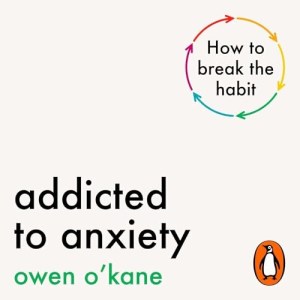
  • Addicted to Anxiety: How to Break the Habit by Owen O’Kane

    Available February 20th

    Anxiety is a universal experience, but what if we’ve been looking at it all wrong? In Addicted to Anxiety: How to Break the Habit, Owen O’Kane presents a bold new perspective: anxiety isn’t just a feeling—it’s a habit. And like any habit, it can be broken.

    O’Kane, a psychotherapist with years of clinical experience, argues that many people unconsciously develop an addictive relationship with their anxious thoughts. They repeatedly engage in worry, overthinking, and worst-case-scenario planning, reinforcing a cycle that keeps them stuck. The book challenges conventional wisdom that treats anxiety purely as a disorder and instead offers an actionable framework to disrupt the cycle and regain control.

    Overview of Key Concepts

    Anxiety as an Addiction

    O’Kane’s central thesis is that anxiety functions much like an addiction. He explains that just as smokers reach for a cigarette when stressed, anxious individuals reflexively turn to worry and rumination as a coping mechanism. This habit forms neural pathways that reinforce anxiety’s grip on the brain.

    He outlines how people unintentionally “feed” their anxiety by engaging in behaviors like:

    • Constantly seeking reassurance

    • Obsessively planning for worst-case scenarios

    • Avoiding situations that trigger discomfort

    • Replaying past mistakes

    • Overconsuming news and social media for a sense of control

    The Cycle of Anxiety

    The book breaks down the anxiety cycle into four stages:

    1. Trigger – An external event or internal thought sparks anxiety.

    2. Reaction – The brain shifts into overdrive, generating catastrophic thoughts.

    3. Reinforcement – Engaging in anxious behaviors (e.g., excessive planning, avoidance) provides short-term relief but strengthens the habit.

    4. Repeat – The cycle continues, making anxiety feel like an inescapable loop.

    O’Kane emphasizes that breaking this cycle isn’t about eliminating anxiety entirely but about altering how we engage with it.

    Practical Strategies to Break the Habit

    Unlike many anxiety books that focus solely on relaxation techniques, Addicted to Anxiety is refreshingly action-oriented. O’Kane provides a set of tools to help readers recognize and rewire their anxious habits.

    1. Name It, Don’t Feed It

    One of the book’s most powerful insights is learning to label anxious thoughts without engaging with them. Instead of spiraling into “What if this goes wrong?” thinking, O’Kane suggests a simple shift: “That’s my anxiety habit talking.” By recognizing worry as a habitual response rather than a fact, we can weaken its hold.

    2. The 10-Second Disruption Rule

    To interrupt an anxious spiral, O’Kane introduces a quick mental reset: the 10-second rule. When anxiety kicks in, pause for 10 seconds and consciously choose a different action—whether it’s shifting focus, engaging in a physical movement, or reminding yourself that worry is optional. This technique helps retrain the brain to disengage from anxious patterns.

    3. Tolerance Training

    A major reason people remain stuck in anxiety is avoidance. O’Kane encourages readers to build uncertainty tolerance—gradually exposing themselves to situations that trigger discomfort without resorting to safety behaviors (e.g., excessive checking or avoidance). Over time, this retrains the brain to accept uncertainty rather than fear it.

    4. Breaking the Reassurance Loop

    One of the most relatable sections of the book tackles the reassurance-seeking habit. Many anxious individuals constantly ask for validation (e.g., “Are you sure everything will be okay?”), but this only reinforces dependence on external comfort. O’Kane provides strategies to resist the urge for reassurance and develop self-trust instead.

    5. The “Let It Play” Method

    A unique approach O’Kane introduces is the “Let It Play” method, where instead of suppressing anxious thoughts, you let them run like background noise. Imagine worry as a radio station playing in another room—you don’t have to engage with it. This technique helps reduce the urgency of anxious thinking, making it easier to move forward without getting stuck.

    Strengths of the Book

    1. A Fresh Perspective on Anxiety

    One of the book’s biggest strengths is how it reframes anxiety. By treating it as a habitual behavior rather than an uncontrollable disorder, O’Kane empowers readers to take action rather than feel helpless.

    2. Actionable and Practical

    Many self-help books on anxiety focus on theory or mindfulness alone. Addicted to Anxiety stands out by offering clear, actionable strategies that can be implemented immediately. The step-by-step approach makes it easy for readers to experiment with different techniques and find what works for them.

    3. Science-Backed Yet Accessible

    O’Kane seamlessly blends neuroscience with real-life application. His explanations of neural pathways and habit formation are easy to understand, making complex psychological concepts approachable for the everyday reader.

    4. No Toxic Positivity

    Unlike books that promote “just think positive” advice, O’Kane acknowledges that anxiety is a deeply ingrained response and breaking the habit requires effort. He doesn’t sugarcoat the process but offers realistic guidance on how to gradually retrain the brain.

    Weaknesses of the Book

    1. Not a One-Size-Fits-All Solution

    While the habit-based approach is compelling, anxiety can stem from a variety of factors, including trauma, genetics, and chronic stress. Some readers may find that their anxiety isn’t as easily disrupted by habit-breaking techniques alone and may still need therapy or medication.

    2. More Depth Needed in Certain Areas

    Some sections, particularly those on exposure therapy and uncertainty tolerance, could benefit from more in-depth case studies or examples. Readers new to these concepts might need additional guidance on how to apply them in real-life scenarios.

    3. Could Be Too Simplistic for Severe Anxiety

    For those with debilitating anxiety disorders (e.g., generalized anxiety disorder, OCD, or panic disorder), the book’s strategies might not be enough on their own. The emphasis on self-reliance is helpful but may not fully address deeper-rooted anxiety issues that require professional intervention.

    Who Should Read This Book?

    • People who struggle with excessive worry, overthinking, and worst-case-scenario thinking.

    • Those looking for practical, science-backed strategies to manage everyday anxiety.

    • Readers who feel stuck in anxiety cycles and want a fresh, habit-based approach.

    • Individuals interested in breaking free from reassurance-seeking and avoidance behaviors.

    Final Verdict: 4.5/5 Stars

    Addicted to Anxiety is a game-changer for anyone tired of feeling trapped in anxious habits. O’Kane delivers a compelling, science-backed guide that helps readers recognize anxiety for what it is—a habit that can be rewired. His approach is empowering, practical, and refreshingly different from traditional anxiety management advice.

    While it may not be a cure-all for severe anxiety disorders, the book offers an invaluable toolkit for shifting how we engage with anxiety. If you’ve ever felt like you can’t stop worrying no matter how hard you try, this book provides a roadmap for breaking free.

    Bottom line: If anxiety has become your default mode, Addicted to Anxiety will teach you how to disrupt the cycle and reclaim your mental freedom.

  • The 5AM Club: Life-Changing Habit or Overhyped Wake-Up Call?

    In the vast landscape of self-improvement literature, few books have sparked as much debate as Robin Sharma’s “The 5 AM Club: Own Your Morning, Elevate Your Life.” Touted as a transformative guide to seizing the day by rising before dawn, it has garnered both fervent admirers and staunch critics. As someone who has delved deep into its pages, I’m here to offer an authentic, unvarnished perspective on its merits and shortcomings.

    The Narrative Structure: A Double-Edged Sword

    Sharma employs a fictional narrative to convey his principles, following an artist and an entrepreneur who, through a series of serendipitous events, meet a billionaire mentor. This mentor introduces them to the life-changing habit of waking up at 5 AM. While this storytelling approach aims to make the content more engaging, it often veers into the realm of the overly dramatic and, at times, the downright cringeworthy. For instance, there’s a peculiar scene where the sage-like mentor inexplicably breaks into a twerk—a moment that left me questioning the book’s tonal consistency.

    The Core Principle: The 20/20/20 Formula

    At the heart of the book lies the 20/20/20 formula, which advocates dedicating the first hour of your day to:

    1. 20 Minutes of Intense Exercise: Kickstart your metabolism and boost dopamine levels.
    2. 20 Minutes of Reflection: Engage in meditation or journaling to center your mind.
    3. 20 Minutes of Learning: Read or listen to insightful material to foster growth.

    This structured approach is designed to harness the tranquility of early mornings, setting a positive tone for the day ahead. Proponents argue that this routine enhances productivity, mental clarity, and overall well-being.

    betterup.com

    The Science Behind Early Rising

    Waking up early has been linked to various benefits:

    • Improved Mental Health: Early risers often report better mood regulation and reduced stress levels. summahealth.org
    • Enhanced Productivity: Tackling important tasks during the quiet morning hours can lead to greater efficiency. betterup.com
    • Better Sleep Quality: Aligning with natural circadian rhythms by rising early can improve sleep patterns. calm.com

    Criticisms and Caveats

    However, it’s essential to approach the 5 AM doctrine with a discerning eye:

    • Individual Variability: Not everyone is biologically predisposed to be an early bird. For some, waking up at 5 AM might disrupt their natural sleep cycles, leading to fatigue. en.wikipedia.org
    • Quality Over Timing: The emphasis should be on the quality of rest and activities, not merely the hour on the clock.
    • Cultural and Occupational Differences: Various professions and lifestyles may not accommodate a 5 AM start, and it’s crucial to tailor routines to individual needs.

    Personal Reflections

    Implementing the 20/20/20 formula had its challenges. The initial days felt like a battle against my duvet’s gravitational pull. However, with persistence, I began to appreciate the serenity of early mornings. The uninterrupted time allowed for introspection, planning, and personal growth.

    Yet, it’s worth noting that the book’s delivery can be off-putting. The narrative is laden with clichés, and the characters often feel like caricatures. The writing style, at times, borders on the saccharine, which might deter readers seeking a more straightforward, research-based approach.

    Conclusion

    “The 5 AM Club” offers a perspective on the potential benefits of early rising and structured morning routines. While the underlying principles have merit, the presentation may not resonate with everyone. It’s essential to assess one’s personal rhythms and preferences before adopting such a regimen. Remember, the goal is to “own your morning” in a way that elevates your life, whether that starts at 5 AM or not.

    In the end, it’s not about the specific hour you rise but how you choose to spend your waking hours. Find a routine that aligns with your natural inclinations and supports your aspirations. After all, a well-lived life is less about rigid schedules and more about meaningful actions.

  • Love at First Page: The Best Romance Books to Swoon Over This Valentine’s Day

    Love, that timeless enigma, has been the muse for countless tales, each attempting to capture its essence. In the past five years, authors have gifted us with narratives that explore love in its myriad forms—be it romantic, platonic, or self-affirming. Here’s a curated list of standout books that have delved into the complexities of love, each offering a unique perspective.

    1. “Beach Read” by Emily Henry (2020)

    Beach Read af Emily Henry (Paperback)

    Emily Henry’s “Beach Read” introduces us to January Andrews and Augustus Everett, two writers with contrasting styles who find themselves as neighbors for the summer. Their journey from rivalry to romance is both heartwarming and humorous, making it a must-read for those who appreciate a well-crafted love story.

    2. “In Five Years” by Rebecca Serle (2020)

    In Five Years by Rebecca Serle - Books - Hachette Australia

    Rebecca Serle’s “In Five Years” presents a thought-provoking narrative that challenges our perceptions of fate and love. When Dannie Kohan experiences a vision of her life five years into the future, she’s forced to reevaluate her meticulously planned existence and the nature of true love.

    3. “Boyfriend Material” by Alexis Hall (2020)

    Boyfriend Material by Alexis Hall | Romance Books Coming Out in Summer 2020 | POPSUGAR ...

    In “Boyfriend Material,” Alexis Hall delivers a delightful rom-com featuring Luc O’Donnell, the son of rock star parents, and Oliver Blackwood, a barrister. Their fake relationship, intended to salvage Luc’s public image, evolves into something genuine, offering readers a witty and heartfelt exploration of love and identity.

    4. “The Seven Husbands of Evelyn Hugo” by Taylor Jenkins Reid (2017)

    THE SEVEN HUSBANDS OF EVELYN HUGO by Taylor Jenkins Reid | Hugo book, Historical fiction books ...

    While published slightly outside our five-year window, this novel has seen a resurgence in popularity. It chronicles the life of Hollywood icon Evelyn Hugo as she recounts her seven marriages, revealing a profound love story that defies societal norms. Reid’s narrative is a captivating exploration of love, ambition, and the sacrifices we make.

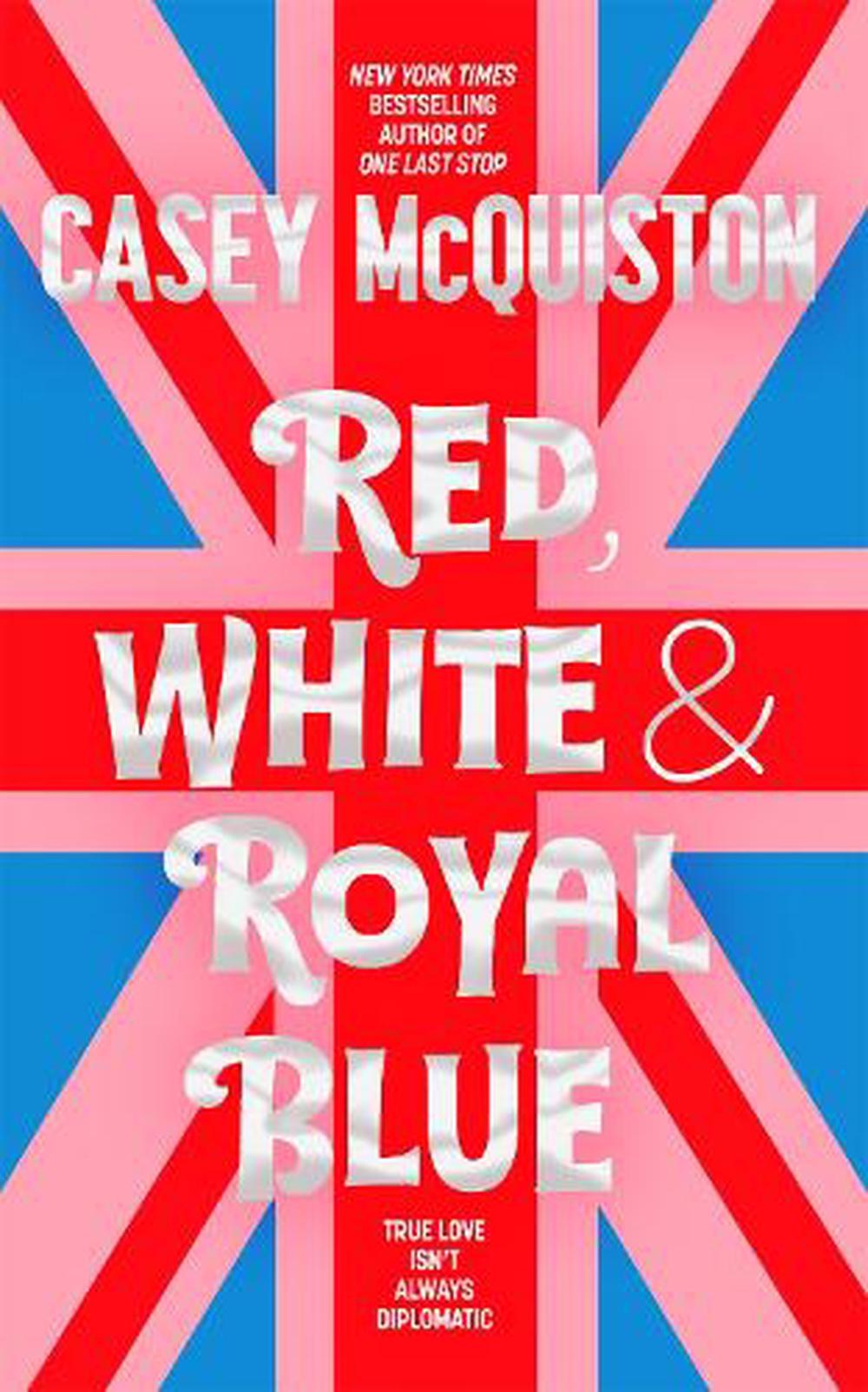
    5. “Red, White & Royal Blue” by Casey McQuiston (2019)

    Red, White & Royal Blue by Casey McQuiston, Hardcover, 9781035003891 | Buy online at The Nile

    Casey McQuiston’s debut novel imagines a romance between the First Son of the United States and a British prince. Their relationship, fraught with political implications, is portrayed with humor and sensitivity, offering a fresh take on the enemies-to-lovers trope.

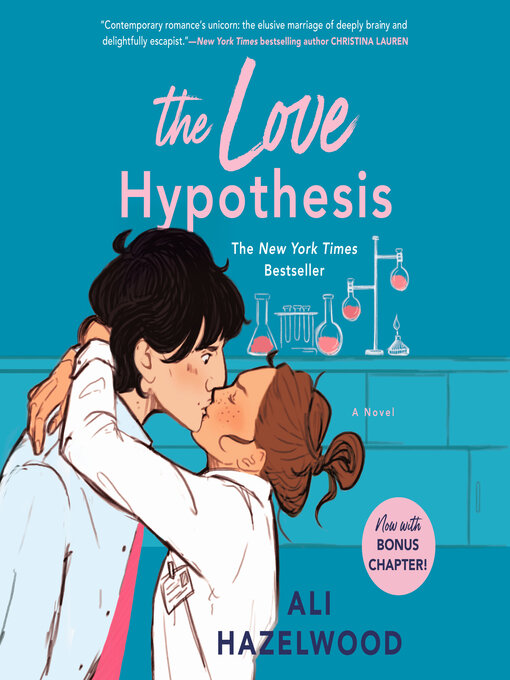
    6. “The Love Hypothesis” by Ali Hazelwood (2021)

    The Love Hypothesis - Burlington County Library System - OverDrive

    Ali Hazelwood’s “The Love Hypothesis” introduces us to Olive Smith, a third-year Ph.D. candidate, who convinces a young professor to pretend to be her boyfriend. What starts as a fake relationship blossoms into something real, providing a charming and witty exploration of love in the academic world.

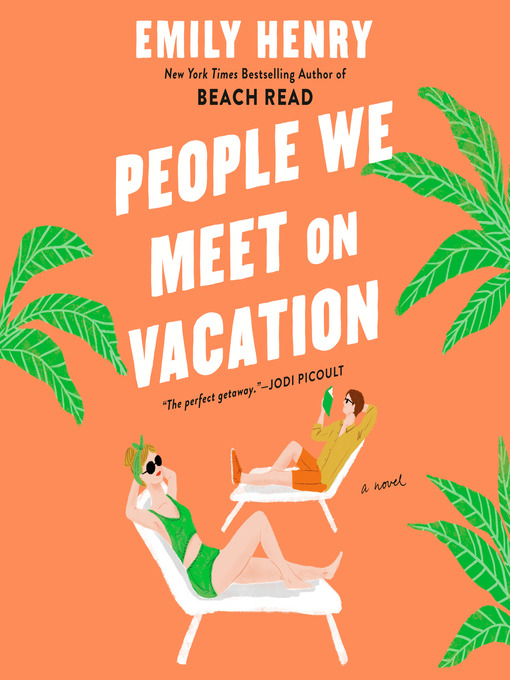
    7. “People We Meet on Vacation” by Emily Henry (2021)

    People We Meet on Vacation - Cuyahoga County Public Library - OverDrive

    Emily Henry makes a second appearance on our list with “People We Meet on Vacation.” The novel follows Poppy and Alex, best friends who take annual vacations together until a rift separates them. A chance to mend their relationship leads to revelations about their true feelings, making it a delightful read about love and friendship.

    8. “One Last Stop” by Casey McQuiston (2021)

    One Last Stop: Collector's Edition: McQuiston, Casey: 9781250894854: Amazon.com: Books

    In “One Last Stop,” McQuiston blends romance with a touch of sci-fi. August, a cynical 23-year-old, moves to New York and meets Jane on the subway, only to discover that Jane is displaced from the 1970s. Their relationship challenges the boundaries of time and offers a unique perspective on love’s enduring nature.

    9. “The Invisible Life of Addie LaRue” by V.E. Schwab (2020)

    The Invisible Life of Addie LaRue | V. E. Schwab | Macmillan

    V.E. Schwab’s novel tells the story of Addie LaRue, a woman who makes a Faustian bargain to live forever but is cursed to be forgotten by everyone she meets. Spanning centuries and continents, it’s a poignant exploration of love, memory, and the desire to leave a lasting mark.

    10. “The Song of Achilles” by Madeline Miller (2011)

    The Song of Achilles - Lit Books

    Although published over a decade ago, this novel has experienced renewed acclaim in recent years. It reimagines the relationship between Achilles and Patroclus, offering a tender and tragic love story set against the backdrop of the Trojan War.

    These novels, each in their own way, explore the multifaceted nature of love. Whether you’re seeking a story that will make you laugh, cry, or ponder the complexities of the human heart, there’s something here for every reader.

    Here are links to purchase these physical books on Amazon:

    “Disclosure: This post contains affiliate links. If you sign up for a free Audible trial or make a purchase through these links, I may earn a small commission at no extra cost to you. This helps support my work and allows me to keep providing book recommendations. Thank you for your support!”

  • The 5 Best Self-Help Books on the NYT Bestseller List: Which One is Right for You?

    In the ever-evolving landscape of personal development, self-help literature continues to guide individuals toward improved well-being and success. The New York Times bestseller list often highlights the most impactful titles in this genre. In this comprehensive analysis, we delve into five prominent self-help books that have recently graced the list, examining their core messages, unique approaches, and the insights they offer to readers seeking personal growth.

    1. “The Let Them Theory” by Mel Robbins

    Overview:

    Mel Robbins, renowned for her straightforward advice, presents “The Let Them Theory,” a transformative guide that encourages readers to focus on self-improvement rather than attempting to change others. The book emphasizes the importance of relinquishing control over external factors and concentrating on personal growth.

    Key Themes:

    • Self-Focus: Robbins advocates for directing energy toward one’s own actions and reactions, promoting a sense of empowerment and autonomy.
    • Acceptance: The book underscores the value of accepting others as they are, reducing stress and fostering healthier relationships.

    Unique Approach:

    Robbins introduces practical strategies to help readers shift their mindset from external control to internal development, providing actionable steps to implement this philosophy in daily life.

    2. “Atomic Habits: An Easy & Proven Way to Build Good Habits & Break Bad Ones” by James Clear

    Overview:

    James Clear’s “Atomic Habits” delves into the science of habit formation, offering a comprehensive framework for building positive habits and eliminating negative ones. The book emphasizes the power of small, incremental changes—referred to as “atomic habits”—in achieving significant personal and professional growth.

    Key Themes:

    • Habit Stacking: Clear introduces the concept of linking new habits to existing ones to facilitate seamless integration into daily routines.
    • Identity-Based Habits: The book highlights the importance of aligning habits with one’s identity, suggesting that sustainable change stems from viewing oneself as the type of person who embodies the desired habits.

    Unique Approach:

    Clear combines insights from psychology, neuroscience, and personal anecdotes to present a practical guide that resonates with a broad audience, making the process of habit formation accessible and achievable.

    3. “The DOSE Effect: Optimize Your Brain and Body By Boosting Your Dopamine, Oxytocin, Serotonin, and Endorphins” by TJ Power

    Overview:

    TJ Power’s “The DOSE Effect” explores the intricate balance of four key brain chemicals—dopamine, oxytocin, serotonin, and endorphins—and their impact on mental and physical health. The book provides strategies to naturally enhance these chemicals through lifestyle adjustments.

    Key Themes:

    • Neurochemical Optimization: Power discusses how understanding and managing these chemicals can lead to improved mood, motivation, and overall well-being.
    • Holistic Health: The book emphasizes the interconnectedness of mental and physical health, advocating for comprehensive approaches to self-care.

    Unique Approach:

    By focusing on the biochemical aspects of well-being, Power offers readers a scientific yet practical guide to enhancing their quality of life through manageable daily practices.

    4. “Born to Walk: The Broken Promises of the Running Boom” by Mark Sisson with Brad Kearns

    Overview:

    In “Born to Walk,” Mark Sisson and Brad Kearns challenge the prevailing emphasis on running as the optimal form of exercise, advocating instead for the benefits of walking. The authors argue that walking is a more sustainable and healthful activity for most individuals.

    Key Themes:

    • Sustainable Fitness: The book promotes walking as a lifelong fitness strategy that minimizes the risk of injury associated with high-impact activities like running.
    • Holistic Well-Being: Sisson and Kearns highlight the mental health benefits of walking, including stress reduction and enhanced creativity.

    Unique Approach:

    By re-evaluating common fitness paradigms, the authors encourage readers to adopt a more accessible and less strenuous approach to physical activity, making exercise attainable for a wider audience.

    5. “Four Thousand Weeks: Time Management for Mortals” by Oliver Burkeman

    Overview:

    Oliver Burkeman’s “Four Thousand Weeks” offers a philosophical perspective on time management, urging readers to embrace the finite nature of human existence. The title reflects the average human lifespan of approximately four thousand weeks, framing time as a precious and limited resource.

    Key Themes:

    • Acceptance of Finitude: Burkeman encourages acknowledging life’s limitations to focus on what truly matters.
    • Mindful Productivity: The book advocates for a shift from relentless efficiency to mindful engagement with chosen activities.

    Unique Approach:

    Combining philosophical insights with practical advice, Burkeman challenges conventional productivity narratives, promoting a more meaningful and intentional approach to time management.

    Comparative Analysis

    While each of these books offers unique insights into personal development, they share common themes of self-awareness, intentionality, and the pursuit of well-being. “The Let Them Theory” and “Atomic Habits” both emphasize the importance of focusing on personal growth over external control, though Robbins centers on mindset shifts, whereas Clear provides a structured approach to behavior change.

    “The DOSE Effect” and “Born to Walk” both address physical well-being but from different angles—Power through neurochemical balance and Sisson through sustainable physical activity. “Four Thousand Weeks” stands apart by offering a philosophical exploration of time, encouraging readers to find meaning within life’s inherent limitations.

    Conclusion

    These five self-help books, each a New York Times bestseller, provide diverse pathways to personal growth and fulfillment. Whether through habit formation, mindset shifts, biochemical understanding, sustainable fitness, or philosophical reflection, readers are equipped with valuable tools to navigate the complexities of modern life. By exploring these works, individuals can identify the strategies that resonate most with their personal journeys toward self-improvement.

  • Book Review: Rich Dad Poor Dad by Robert Kiyosaki

    Why Rich Dad Poor Dad Still Resonates

    Robert Kiyosaki’s Rich Dad Poor Dad has become one of the most influential personal finance books of all time, selling millions of copies worldwide. First published in 1997, the book presents a compelling narrative contrasting the financial philosophies of two father figures—Kiyosaki’s own educated but financially struggling biological father (“Poor Dad”) and the wealthy, entrepreneurial father of his best friend (“Rich Dad”).

    This book aims to challenge conventional beliefs about money, job security, and wealth-building, making it particularly relevant for those seeking financial independence. But does Rich Dad Poor Dad live up to the hype? In this detailed review, we’ll explore its key lessons, strengths, and potential shortcomings while evaluating whether it’s still a must-read for today’s readers.

    Summary: The Core Principles of Rich Dad Poor Dad

    The book revolves around six essential financial lessons:

    1. The Rich Don’t Work for Money – Kiyosaki argues that wealthy individuals prioritize financial education and passive income streams over traditional employment. Instead of working for a paycheck, they make money work for them.
    2. Why Teach Financial Literacy? – Schools fail to provide financial education, leading to poor money management skills among adults. Understanding assets, liabilities, and cash flow is crucial to escaping the rat race.
    3. Mind Your Own Business – The wealthy focus on accumulating income-generating assets such as real estate, stocks, and businesses rather than relying solely on a paycheck.
    4. The History of Taxes and the Power of Corporations – Rich individuals and corporations use tax strategies and legal loopholes to minimize liabilities, a financial advantage that employees lack.
    5. The Rich Invent Money – Wealth creation requires creativity, risk-taking, and the ability to recognize opportunities where others see obstacles.
    6. Work to Learn, Don’t Work for Money – Instead of chasing promotions or higher salaries, people should develop financial skills like sales, investing, and entrepreneurship to achieve long-term financial security.

    Strengths: What Makes Rich Dad Poor Dad a Standout Book?

    1. Easy-to-Understand Financial Concepts
      Kiyosaki simplifies complex financial principles into engaging, digestible lessons. By using storytelling instead of dry financial jargon, the book makes wealth-building accessible even to beginners.
    2. Challenging Traditional Beliefs About Money
      The book questions conventional wisdom, such as relying on a steady paycheck, investing only in retirement plans, and assuming a college degree guarantees financial success. For readers stuck in a financial rut, this perspective shift can be eye-opening.
    3. Emphasis on Financial Education
      Perhaps the book’s greatest strength is its insistence on financial literacy. Kiyosaki highlights how a lack of financial education keeps many people in the cycle of debt and dependence on a 9-to-5 job.
    4. Encouragement to Take Action
      Unlike some finance books that focus purely on theory, Rich Dad Poor Dad motivates readers to take control of their financial future. Kiyosaki’s personal anecdotes illustrate how real estate investments, business ventures, and risk-taking can lead to financial success.

    Criticism: Where Rich Dad Poor Dad Falls Short

    1. Lack of Concrete Actionable Steps
      While the book is inspiring, it lacks detailed, step-by-step guidance on how to implement its principles. Readers may feel motivated to invest in assets but unsure where to start.
    2. Oversimplification of Financial Concepts
      Some critics argue that Kiyosaki oversimplifies key financial ideas, making it seem as though anyone can achieve wealth with the right mindset. While optimism is valuable, success in investing and entrepreneurship requires more than just shifting perspectives.
    3. Risky Financial Advice for Beginners
      The book encourages readers to take financial risks, often suggesting real estate investment as a path to wealth. However, without proper knowledge, this approach could lead to financial losses rather than gains.

    Is Rich Dad Poor Dad Still Relevant Today?

    Despite being written over two decades ago, Rich Dad Poor Dad remains highly relevant, especially in today’s digital economy. The gig economy, online business opportunities, and the rise of passive income strategies align with many of Kiyosaki’s teachings. The book’s core message—that financial freedom comes from owning assets and improving financial literacy—holds true regardless of economic changes.

    However, the modern financial landscape has evolved. Real estate investing, for instance, has become more complex, and some tax advantages available in the ’90s are no longer as beneficial today. Additionally, new opportunities, such as online businesses and cryptocurrency, weren’t covered in the original text.

    For readers seeking more practical, up-to-date advice, pairing Rich Dad Poor Dad with books like The Millionaire Fastlane by MJ DeMarco or The Psychology of Money by Morgan Housel may provide a more well-rounded financial education.

    Final Verdict: Who Should Read Rich Dad Poor Dad?

    Recommended for:
    ✅ Beginners in personal finance who need a mindset shift toward wealth-building.
    ✅ Aspiring entrepreneurs and investors looking for motivation.
    ✅ Readers frustrated with traditional career paths and eager for financial independence.

    Not ideal for:
    ❌ Those looking for a detailed how-to guide on investing.
    ❌ Readers who prefer academic-style financial education over anecdotal storytelling.

    Where to Get Rich Dad Poor Dad

    📖 Prefer to read? Get the paperback version on Amazon.
    🎧 Want to listen instead? Try the audiobook for free with an Audible trial

    Affiliate Disclosure: This review contains affiliate links. If you purchase through them, I may earn a commission at no extra cost to you.

    Final Thoughts: A Book That Sparks Financial Awareness

    While Rich Dad Poor Dad may not provide a complete financial blueprint, it excels in shifting readers’ perspectives about money and wealth. It remains an essential read for anyone looking to break free from financial struggle and start thinking like the rich. If you’re ready to challenge your beliefs about money, this book is a great starting point.

    What’s your biggest takeaway from Rich Dad Poor Dad? Share your thoughts in the comments below!

  • Atomic Habits by James Clear – A Transformational Guide to Lasting Change

    Introduction

    James Clear’s Atomic Habits is more than just another self-improvement book—it’s a comprehensive system for making small, consistent changes that lead to remarkable personal and professional transformations. Published in 2018, this book has become a staple for anyone looking to improve productivity, break bad habits, and cultivate a lifestyle of continuous improvement.

    In this review, we’ll dive into the core principles of Atomic Habits, its most impactful lessons, and how it stands apart from other habit-building books. Whether you’re trying to improve your fitness, build a business, or simply become a better version of yourself, Atomic Habits offers practical, science-backed strategies that deliver real results.

    Key Takeaways from Atomic Habits

    1. Small Changes Lead to Big Results

    Clear’s central premise is that tiny, consistent improvements—what he calls “atomic habits”—compound over time to create massive success. Instead of chasing big, sweeping transformations, he advocates for a 1% improvement each day. This approach makes change feel more manageable and sustainable.

    2. The Four Laws of Behavior Change

    The book outlines a simple, four-step process for habit formation, backed by neuroscience and behavioral psychology:

    • Cue – The trigger that initiates a habit

    • Craving – The desire or motivation behind it

    • Response – The actual habit or behavior

    • Reward – The benefit received from completing the habit

    To build good habits and break bad ones, Clear provides four actionable laws:

    1. Make it obvious (increase exposure to good cues, reduce exposure to bad ones)

    2. Make it attractive (associate habits with rewards and positive reinforcement)

    3. Make it easy (reduce friction and simplify actions)

    4. Make it satisfying (create instant gratification to reinforce good behavior)

    3. Identity-Based Habits vs. Outcome-Based Habits

    One of the book’s most powerful concepts is the idea that lasting change comes from shifting our identity, not just our goals. Instead of saying, “I want to run a marathon,” Clear suggests saying, “I am a runner.” By aligning habits with our identity, we create a self-image that naturally reinforces positive behavior.

    4. Habit Stacking: The Secret to Consistency

    A simple yet effective technique from Atomic Habits is habit stacking—linking a new habit to an existing one. For example, if you already drink coffee every morning, you can attach a new habit like journaling or stretching to that routine. This method makes habit formation feel more natural and automatic.

    5. The Power of Environment Design

    Clear emphasizes that our surroundings shape our habits more than willpower alone. By structuring your environment to support good habits—such as keeping healthy snacks within reach or placing a book on your pillow to encourage reading—you make success easier and more sustainable.

    Why Atomic Habits Stands Out

    There are countless books on habit formation, but Atomic Habits distinguishes itself with its clarity, scientific grounding, and practical applications.

    • Easy to Understand, Hard to Forget – Clear’s writing is engaging and straightforward, making complex psychological concepts digestible for any reader.

    • Real-World Applications – Unlike books that focus solely on theory, Atomic Habits provides actionable strategies that anyone can implement immediately.

    • Science-Backed Principles – Clear blends insights from neuroscience, psychology, and behavioral science, ensuring that his methods are rooted in evidence rather than opinion.

    Who Should Read Atomic Habits?

    This book is a must-read for:

    • Entrepreneurs & Business Professionals – Improve productivity, discipline, and long-term success.

    • Students & Lifelong Learners – Develop better study habits and retain information more effectively.

    • Fitness Enthusiasts & Health Seekers – Build sustainable exercise and nutrition routines.

    • Anyone Looking to Overcome Bad Habits – Whether it’s procrastination, poor time management, or unhealthy behaviors, this book provides a clear roadmap to change.

    Criticisms & Limitations

    While Atomic Habits is widely praised, no book is without its flaws. Some readers find that:

    • Many Concepts Aren’t Entirely New – Some ideas echo those from The Power of Habit by Charles Duhigg or other self-improvement books.

    • Implementation Requires Patience – The 1% rule is effective but may feel slow for those expecting immediate results.

    • More Business Case Studies Would Be Helpful – While there are examples from various fields, some professionals may want more corporate or leadership-focused applications.

    Final Verdict: Is Atomic Habits Worth Reading?

    Absolutely. Atomic Habits is one of the most practical, insightful, and actionable books on behavior change. It doesn’t promise overnight success, but it does provide a proven framework for making lasting improvements. If you’re looking to build better habits, break negative cycles, and create long-term success, this book is an invaluable resource.

    Final Thought

    If you’ve struggled to maintain good habits in the past, Atomic Habits will show you exactly where you’re going wrong—and, more importantly, how to fix it. With its clear, science-backed principles, this book is an essential read for anyone serious about personal growth and long-term success.

    Have you read Atomic Habits? What was your biggest takeaway? Let’s discuss in the comments!

    Ready to Transform Your Habits? Start Listening Today!

    If you’re serious about building better habits and achieving long-term success, Atomic Habits is a must-read. Why not make it even easier by listening to the Audible version? Whether you’re commuting, working out, or just relaxing, you can absorb James Clear’s powerful insights on the go.

    👉 Get the Audible version of Atomic Habits here.

    Affiliate Disclosure: This link is an Amazon affiliate link, which means I may earn a commission at no extra cost to you. I only recommend books I truly believe will bring value to your life. Happy listening!