Author: BoundtoBooks

  • “War” by Bob Woodward: A Chronicle of Chaos, Cowardice, and the Carnage of a Presidency

    Get the audiobook here: Listen on Audible

    Let’s not pretend anymore.

    Bob Woodward’s War doesn’t just document a presidential administration gone off the rails—it detonates any lingering myth that Donald Trump was ever remotely qualified to lead a nation. This book is a blistering, relentless indictment, told with the calm precision of a man who’s spent decades unearthing ugly truths about the powerful. And while War is technically about both the Trump and Biden administrations, don’t be fooled. Trump dominates these pages like a bloated specter of American decline—spitting bile, sowing chaos, and leaving a trail of institutional wreckage in his wake.

    I read War with clenched teeth and an increasingly nauseous stomach—not because the book is poorly written (it’s classic Woodward: fact-dense, clinical, and utterly damning), but because the man it profiles is, quite simply, a danger to democracy.

    Trump’s Unquenchable Thirst for Power

    Early in the book, Woodward wastes no time exposing Trump’s authoritarian obsessions. He quotes internal memos, transcripts, and on-the-record conversations that show a president less interested in serving the country than in ruling it.

    One scene that sticks with you: Trump asking whether he could “just take over” blue states during protests. Not assist, not collaborate—take over. It’s the language of a dictator, not a president. And you start to see the full scope of the threat: this isn’t about incompetence anymore. It’s about lust for control.

    Trump didn’t just stretch the Constitution—he wanted to rip it apart and redraw it with a Sharpie.

    The Puppet Show Cabinet

    If you’re looking for profiles in courage, look elsewhere. Trump’s inner circle—especially toward the end of his term—reads like a lineup of sycophants, opportunists, and spineless bureaucrats. They knew how dangerous he was. They whispered about it in private. And yet, they kept propping him up.

    Woodward recounts National Security officials holding secret meetings without Trump’s knowledge just to make sure he didn’t launch a preemptive strike on Iran. Think about that. The civilian-military chain of command was so rattled, they feared their own commander-in-chief might start World War III on a whim.

    The most alarming part? Trump wanted to appear unhinged. He believed unpredictability was strength. What it actually was: a neon sign flashing, “This man should never be anywhere near nuclear codes.”

    The Pandemic: Death by Negligence

    The section on COVID-19 is arguably the most enraging. And yes, it’s worse than we thought.

    Woodward had tapes—tapes!—of Trump acknowledging in early February 2020 how deadly the virus was. He knew. He understood it was airborne, highly contagious, and serious. And then he deliberately downplayed it, calling it a hoax, mocking mask-wearers, and suggesting people inject bleach.

    This wasn’t just mishandling. It was calculated deception. He didn’t want the economy to tank (read: his re-election numbers), so he gambled with American lives. Over a million deaths later, Woodward’s reporting leaves no doubt: Trump’s ego cost lives.

    “I Alone Can Fix It”—The Narcissist in Chief

    Woodward’s biggest strength is his access. He doesn’t offer opinion—he lets Trump and his staffers speak for themselves. And my God, the things they say.

    Trump consistently refers to himself in the third person. He demands praise like a toddler on a sugar crash. He rewrites history mid-conversation and dares anyone to correct him. The delusion is breathtaking. One moment he’s touting imaginary poll numbers; the next, he’s bragging about the crowd size at a funeral.

    It would be laughable if it weren’t so terrifying.

    The Coup in Slow Motion

    The book builds toward its most chilling chapters: Trump’s final year in office and the January 6th insurrection. We watch, in real-time, as he undermines public confidence in elections, promotes deranged conspiracy theories, and pressures state officials to “find votes.”

    Woodward shows how people like General Mark Milley and then-Vice President Pence were forced into impossible positions—trying to restrain a president hell-bent on clinging to power at any cost.

    Trump didn’t just incite the Capitol riot. He planned for chaos, welcomed violence, and sat back and watched it unfold on television. A president who tried to overturn a free and fair election is not just corrupt—he’s criminal.

    Enter Biden: A Quiet Reset

    In the final chapters, Woodward shifts to Joe Biden’s transition. The contrast couldn’t be starker.

    Biden is shown as deliberate, disciplined, and (most importantly) normal. You don’t have to love him to breathe a sigh of relief when he takes the reins. For all his flaws, Biden actually listens to advisors, reads intelligence reports, and respects the Constitution. Imagine that.

    Woodward doesn’t paint Biden as a savior. But after Trump, normalcy feels like revolution.

    What War Really Is

    The title might feel a bit abstract, but it fits. War isn’t just about foreign conflicts or political battles. It’s about an internal war—between truth and lies, decency and depravity, democracy and authoritarianism.

    Bob Woodward, ever the surgical journalist, doesn’t scream. He lets the facts pile up. But make no mistake: this book is a cannonball aimed straight at Trumpism. And it hits its mark.

    A Note on Woodward Himself

    Some critics have chided Woodward for sitting on too much information for too long—especially when lives were on the line during the pandemic. And it’s a fair critique. But it doesn’t lessen the impact of this book. War is essential reading not because it’s shocking (though it is), but because it confirms what so many of us already feared: Trump wasn’t just a bad president. He was a clear and present danger to the republic.

    Who Should Read This (And Why You Must)

    • If you lived through the Trump years and want a meticulously documented confirmation that you weren’t losing your mind—read this.

    • If you still believe the Big Lie—read this, then read it again.

    • If you’re tired of watching dangerous men rise to power while the world watches in silence—this is your warning shot.

    This isn’t just history. This is a record of how close we came to losing everything. And if we’re not vigilant, we’ll be back on that ledge sooner than we think.

    Final Verdict: 5/5 if you have a soul. 0/5 if you’re waiting for JFK Jr. to return.

    Get the audiobook here: Listen on Audible

    Disclosure: This post contains affiliate links. If you sign up for a free Audible trial or make a purchase through these links, I may earn a small commission at no extra cost to you. This helps support my work and allows me to keep providing book recommendations. Thank you for your support!

    Now it’s your turn: Did you read War? What moment stunned you most—or did anything still surprise you after four years of insanity? Let’s talk.
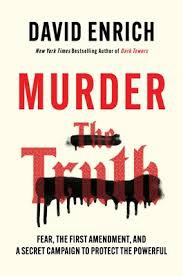
  • Unmasking the Assault on Free Speech: A Deep Dive into “Murder the Truth”

    In an era where the term “fake news” has become a political weapon, David Enrich’s “Murder the Truth: Fear, the First Amendment, and a Secret Campaign to Protect the Powerful” emerges as a timely exposé. This meticulously researched work delves into the covert efforts by influential figures to dismantle the foundational pillars of American free speech. Enrich, the business investigations editor at The New York Times, brings to light a chilling narrative of power, politics, and the perilous path toward eroding press freedoms.

    The Bedrock of Free Speech: New York Times v. Sullivan

    To comprehend the gravity of the current assault on free speech, one must first understand the landmark 1964 Supreme Court decision in New York Times v. Sullivan. This ruling established that public officials seeking to sue for defamation must prove that the false statements were made with “actual malice”—that is, with knowledge of their falsity or with reckless disregard for the truth. This high standard was designed to protect open and robust debate about public figures, ensuring that journalists and citizens could criticize those in power without undue fear of retribution.

    The Rising Tide Against Sullivan

    Enrich meticulously documents a growing movement aimed at overturning this precedent. Central to this effort are conservative legal activists and wealthy individuals who feel aggrieved by media scrutiny. Notably, Supreme Court Justice Clarence Thomas has openly called for revisiting Sullivan, arguing that it grants too much leeway to the press. Enrich reveals that during his 1991 confirmation hearings, Thomas expressed support for robust First Amendment protections. However, his recent opinions suggest a stark departure from that stance, aligning with a broader agenda to curtail press freedoms. 

    The Weaponization of Libel Laws

    A significant portion of “Murder the Truth” examines how libel laws are being weaponized to intimidate and silence journalists. Enrich highlights the case of Peter Thiel, a billionaire venture capitalist who secretly funded a lawsuit against Gawker Media, leading to its bankruptcy. This case set a dangerous precedent, emboldening others to use their financial power to litigate media outlets into silence. Enrich warns that such tactics threaten the very core of investigative journalism, as smaller outlets may lack the resources to defend against protracted legal battles. 

    Trump’s Crusade Against the Press

    At the heart of this narrative is former President Donald Trump, whose disdain for the media is well-documented. Enrich details Trump’s repeated threats to “open up” libel laws to make it easier to sue news organizations. While these threats were initially dismissed by some as bluster, Enrich illustrates how they have galvanized a broader movement to challenge press protections. Trump’s rhetoric has not only emboldened public figures to pursue defamation claims but has also fostered a climate where the press is portrayed as an enemy of the people. 

    The Role of the Judiciary

    Enrich delves into the judiciary’s pivotal role in this saga. With the Supreme Court’s composition shifting decidedly to the right, the prospect of overturning Sullivan has become more plausible. Justices like Neil Gorsuch have echoed Thomas’s sentiments, expressing skepticism about the current libel standards. Enrich posits that this ideological shift within the Court could have profound implications for the future of free speech in America. 

    The Chilling Effect on Journalism

    The cumulative effect of these legal and political maneuvers is a chilling environment for journalism. Enrich shares accounts of reporters and news organizations facing crippling legal threats, leading to self-censorship and a reluctance to pursue stories that could provoke powerful figures. This erosion of journalistic freedom not only undermines the public’s right to know but also emboldens those who seek to operate without accountability. 

    A Call to Vigilance

    “Murder the Truth” serves as a clarion call for vigilance in defending the First Amendment. Enrich argues that preserving the protections established by Sullivan is essential for maintaining a free and open society. He emphasizes that while the press is not infallible, weakening its ability to scrutinize those in power would be a disservice to democracy. The book implores readers to recognize the insidious efforts to curtail free speech and to advocate for the preservation of robust press freedoms.

    Conclusion

    David Enrich’s “Murder the Truth” is a meticulously researched and compelling examination of the concerted efforts to undermine the First Amendment. By shedding light on the individuals and movements seeking to erode press protections, Enrich underscores the fragility of freedoms that many take for granted. The book is a stark reminder that the defense of free speech requires constant vigilance and that the erosion of these rights can have profound consequences for democracy.

    Disclosure: This post contains affiliate links. If you sign up for a free Audible trial or make a purchase through these links, I may earn a small commission at no extra cost to you. This helps support my work and allows me to keep providing book recommendations. Thank you for your support!

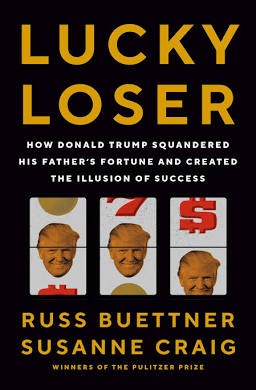
  • Book Review: Lucky Loser: How Donald Trump Squandered His Father’s Fortune and Created the Illusion of Success

    A Deep Dive into Trump’s Financial Illusions

    Donald Trump built his career on the claim that he’s a self-made billionaire. But what if that image is just smoke and mirrors? Lucky Loser: How Donald Trump Squandered His Father’s Fortune and Created the Illusion of Success by investigative journalists Russ Buettner and Susanne Craig unpacks decades of financial history to show a very different story.

    Using tax records, business filings, and insider accounts, the book reveals how Trump inherited massive wealth from his father, Fred Trump, only to mismanage it repeatedly. It also explores how he skillfully rebranded himself, using media, bankruptcy laws, and self-promotion to maintain the illusion of financial success.

    If you’re looking for a well-researched breakdown of Trump’s business empire—or just fascinated by the psychology of public image versus reality—this book is an essential read.

    Fred Trump: The Architect of the Real Fortune

    Before Donald, there was Fred Trump—a shrewd, disciplined real estate developer who made his fortune in the post-war housing boom. The book details how Fred built a highly profitable real estate empire through government-backed housing projects in New York.

    Unlike his son, Fred was cautious with money, favoring steady growth over high-risk gambles. The authors argue that without Fred’s wealth and business structure, Donald Trump’s rise would have been impossible.

    Trump inherited the modern equivalent of over $400 million—far more than the “small loan” of $1 million he often claims. This inheritance provided him with a safety net that allowed him to take reckless financial risks without facing true financial ruin.

    The Business Failures: Casinos, Airlines, and Overleveraging

    Trump’s business history is a parade of overhyped ventures that bled money:

    • Trump Airlines – A luxury shuttle service that failed within a few years.

    • Trump Casinos – Atlantic City investments that led to massive debt and multiple bankruptcies.

    • Trump Vodka, Trump Steaks, Trump University – All short-lived, financially disastrous ventures.

    Time and again, Trump ignored market realities, borrowed heavily, and bet on branding over substance. The book details how these failures weren’t just bad luck—they were the result of poor decision-making, unchecked ego, and financial mismanagement.

    Yet, despite losing millions, Trump always found a way to secure more funding—whether from banks, investors, or his father’s wealth.

    How “The Apprentice” Saved Trump’s Image

    Perhaps the most fascinating part of Lucky Loser is its deep dive into how The Apprentice revived Trump’s reputation.

    Before the reality TV show, Trump was seen as a failed businessman—bankruptcies, lawsuits, and real estate blunders had damaged his image. But The Apprentice transformed him into a tough, no-nonsense billionaire who supposedly knew how to win in business.

    The irony? Many of Trump’s business ventures were failing behind the scenes even as he fired contestants on TV. The book argues that this show gave Trump the platform to not only rebuild his brand but to launch his political career.

    Tax Loopholes, Bankruptcies, and the Art of Avoiding Losses

    Another key theme of Lucky Loser is Trump’s ability to use bankruptcy laws and tax loopholes to his advantage.

    • He reported massive financial losses to avoid paying taxes.

    • He walked away from failing businesses while leaving investors and contractors unpaid.

    • He leveraged his family’s real estate assets to secure loans he often couldn’t repay.

    The book lays out how Trump’s “success” was often about shifting debt, renegotiating terms, and using legal loopholes rather than actually running profitable businesses.

    What Critics and Readers Are Saying

    Lucky Loser has received widespread attention for its thorough research and sharp analysis.

    • The Guardian praised its “forensic dismantling” of Trump’s financial myths.

    • Kirkus Reviews called it “a sobering account of wealth squandered and image crafted.”

    • Amazon readers highlight its in-depth investigation but note that the financial details can be dense at times.

    If you’re interested in business, politics, or the psychology of wealth and power, this book provides a fascinating look at how financial narratives are crafted—and why they often don’t match reality.

    Final Verdict: A Must-Read for Anyone Curious About Trump’s Business Legacy

    Lucky Loser is a meticulous, well-researched book that shatters the myth of Trump as a brilliant businessman. Instead, it paints a picture of a man who inherited wealth, squandered it, and then relied on media manipulation to maintain the illusion of success.

    Whether you’re a critic or a supporter, this book offers an eye-opening look at how financial myths are built—and how powerful branding can overshadow reality.

    If you enjoy investigative journalism, business history, or political analysis, Lucky Loser is a compelling and timely read.

    Want to listen to it instead? Get the audiobook for free with an Audible trial.

    Disclosure: This post contains affiliate links. If you sign up for a free Audible trial or make a purchase through these links, I may earn a small commission at no extra cost to you. This helps support my work and allows me to keep providing book recommendations. Thank you for your support!

  • Original Sins by Eve L. Ewing: Unmasking the Racist Foundations of American Education

    Ever wondered why, despite countless reforms, our educational system still seems to falter, especially for Black and Native students? Eve L. Ewing’s Original Sins: The (Mis)education of Black and Native Children and the Construction of American Racism offers a compelling exploration into this very conundrum.

    Unveiling the Foundations

    Eve L. Ewing is known for her keen ability to intertwine historical context with contemporary issues. In Original Sins, she embarks on an investigative journey into the ideological roots of American education, revealing the deep-seated biases that have shaped schooling for Black and Native students since the nation’s founding. She meticulously lays out how the educational system was never truly intended to serve all students equally, but rather to reinforce the existing racial and social hierarchy.

    By analyzing historical records and ideological frameworks established by early American leaders, Ewing argues that education in the United States was designed not as a means of universal enlightenment but as a tool to maintain white supremacy. Figures like Thomas Jefferson, often heralded as champions of knowledge, actually advocated for an educational system that kept Black and Native populations at a permanent disadvantage. Jefferson and his contemporaries saw education as a way to reinforce power structures rather than as a means of uplifting all members of society.

    The Role of Education in Systemic Oppression

    One of the most striking aspects of Original Sins is its dissection of how education was explicitly used to oppress marginalized groups. Ewing delves into the assimilationist policies that shaped Native American education, particularly through boarding schools. These institutions, funded by the government and often operated by religious organizations, were designed to strip Native children of their cultural identities. Language, traditions, and familial ties were severed in favor of forced assimilation into white society.

    Black students, on the other hand, were often denied education entirely or given access only to inferior schools. In the post-Reconstruction era, Southern states intentionally underfunded Black schools to ensure that Black children remained in a state of intellectual and economic inferiority. This pattern continued into the 20th century, with segregationist policies ensuring that Black students had little opportunity to break free from systemic barriers.

    The Legacy of Inequality

    The inequities Ewing outlines in the book are not just relics of the past—they persist in modern educational policies and structures. Standardized testing, for example, is a contemporary tool that disproportionately disadvantages Black and Native students. Ewing argues that these tests are not neutral measures of intelligence or ability but rather mechanisms that uphold systemic racism by favoring white, middle-class students.

    Another issue she highlights is the school-to-prison pipeline, wherein Black and Native students are disproportionately subjected to harsh disciplinary measures, often for minor infractions. Instead of receiving support and guidance, these students are funneled into the criminal justice system, further entrenching cycles of poverty and disenfranchisement.

    Challenging the Status Quo

    Ewing doesn’t merely diagnose the problem—she also presents a call to action. She urges educators, policymakers, and communities to rethink what education should be and who it should serve. She challenges the notion that education must conform to outdated structures and instead advocates for a radical reimagining of schools as places that nurture and empower all students, particularly those who have been historically marginalized.

    This means implementing culturally responsive teaching, re-evaluating disciplinary policies, and pushing for systemic change at the legislative level. Ewing highlights successful models of alternative education that center Black and Native voices, showcasing the potential for transformative change if society is willing to confront its past and reimagine its future.

    Critical Reception

    The book has been met with widespread acclaim, particularly for its ability to synthesize complex historical narratives with contemporary realities. Esquire describes it as “a fascinating and eye-opening look at how American schools have helped build and reinforce an infrastructure of racial inequality,” deeming it “a must-read for every American parent and educator.” Oprah Daily acknowledges the book’s sobering argument but notes that it “illuminates a path for a more just future that is nothing short of dazzling.”

    Critics have praised Ewing’s accessible yet rigorous approach. She doesn’t overwhelm readers with academic jargon but instead presents her findings in a compelling, narrative-driven format. This makes the book not only an essential academic resource but also an engaging read for those interested in social justice and education reform.

    A Must-Read for Educators and Advocates

    Original Sins is a powerful and necessary book for anyone invested in the future of American education. It forces readers to confront uncomfortable truths and challenges them to take action. By weaving together historical analysis, contemporary critique, and a hopeful vision for the future, Ewing has crafted a work that will undoubtedly shape conversations about education for years to come.

    For educators, policymakers, and activists, Original Sins serves as both a mirror and a roadmap—reflecting the injustices of the past while offering pathways toward a more equitable educational system. If you’re looking for a book that will change the way you think about schools, systemic racism, and the power of education, this is it.

    Start your free Audible trial and listen to Original Sins today!

    Disclosure: This post contains affiliate links. If you sign up for a free Audible trial or make a purchase through these links, I may earn a small commission at no extra cost to you. This helps support my work and allows me to keep providing book recommendations. Thank you for your support!

  • Food for Thought: Essays and Ruminations by Alton Brown – A Deep Dive

    Alton Brown, the mastermind behind “Good Eats,” has long been a revered figure in the world of culinary entertainment. With his trademark wit, scientific approach to cooking, and deep love for food culture, he has transformed how many of us view our kitchens. His book, Food for Thought: Essays and Ruminations, is no exception. It serves as a reflective, insightful, and entertaining collection of musings on food, cooking, and life in general.

    A Unique Perspective on Food

    Brown is not just another celebrity chef; he is a food educator, a historian, and a scientist rolled into one. In Food for Thought, he shares his perspective on what food means beyond just nourishment. He delves into its cultural significance, the science behind its preparation, and even its philosophical implications.

    Each essay reads like a conversation with a well-informed and humorous friend who happens to be a culinary genius. Brown’s writing is engaging and playful, but always grounded in knowledge. Whether he’s discussing the ethics of eating meat, the evolution of cooking techniques, or the nostalgia tied to childhood meals, he approaches each topic with curiosity and depth.

    The Science of Cooking, Brown-Style

    One of the standout elements of Brown’s work has always been his ability to break down complex culinary science into digestible (pun intended) explanations. Food for Thought continues this tradition. He explores the chemistry of baking, the physics of heat transfer, and even the psychology of taste, all while keeping the content accessible and entertaining.

    For example, in one essay, Brown examines why salt enhances flavor and how different types of salt impact the final taste of a dish. He doesn’t just state that salt makes things taste better—he explains the molecular interactions behind it. This is classic Alton Brown: informative yet never dull, educational yet always engaging.

    A Deep Dive into Food Culture

    Brown also touches on the sociological and cultural aspects of food. He explores the history of certain ingredients, the way globalization has changed how we eat, and the emotional power of comfort food. One particularly memorable essay looks at how certain dishes become iconic within cultures and how they evolve over time.

    There is also a discussion about the modern food industry and how convenience has altered our relationship with cooking. Brown doesn’t shy away from critiquing fast food and processed meals, but he does so in a way that is thoughtful rather than preachy. He encourages readers to appreciate the process of cooking as much as the final product.

    Humor and Storytelling

    What sets Food for Thought apart from other food-related books is Brown’s unmistakable sense of humor. He has an effortless way of weaving personal anecdotes into his essays, making them feel both intimate and universal. His tales of kitchen disasters, culinary discoveries, and travel experiences make for delightful reading.

    For instance, he recounts a hilarious experience attempting to recreate a complicated French dish with limited ingredients while on a road trip. The story is both informative and laugh-out-loud funny, embodying Brown’s belief that cooking should be fun, even when things go wrong.

    Practical Takeaways

    Although Food for Thought is not a cookbook, it offers plenty of practical advice for home cooks. Brown’s philosophy on cooking—emphasizing technique, ingredient quality, and a scientific mindset—provides valuable insights for anyone looking to improve their skills in the kitchen.

    He also shares tips on everything from knife skills to pantry organization. These nuggets of wisdom, scattered throughout the book, make it an essential read for food lovers who want to think more critically about how they cook and eat.

    Who Should Read This Book?

    Food for Thought is a must-read for several audiences:

    • Fans of Alton Brown – If you love Good Eats or Iron Chef America, you’ll enjoy getting an even deeper look into Brown’s thoughts on food and cooking.
    • Aspiring Cooks – His essays offer practical knowledge that can help readers become more confident and skilled in the kitchen.
    • Food Lovers – If you enjoy reading about food beyond just recipes, this book provides cultural, scientific, and philosophical discussions that are both thought-provoking and entertaining.
    • Science and History Buffs – The book’s deep dives into food science and history make it a fascinating read for those interested in how and why we eat the way we do.

    Final Thoughts

    Alton Brown’s Food for Thought: Essays and Ruminations is more than just a book about food—it’s a love letter to cooking, eating, and the joy that food brings to our lives. Through a combination of humor, storytelling, and in-depth analysis, Brown invites readers to think more deeply about what’s on their plate.

    This book will leave you not only hungry for a well-cooked meal but also eager to experiment in your own kitchen with a newfound appreciation for the science and culture of food. If you’re looking for a read that is as enlightening as it is entertaining, Food for Thought is well worth your time.


    Want to listen instead? Get the audiobook for free with an Audible trial: https://amzn.to/3Qn7zk5

    Disclosure: This post contains affiliate links. If you sign up for a free Audible trial or make a purchase through these links, I may earn a small commission at no extra cost to you. This helps support my work and allows me to keep providing book recommendations. Thank you for your support!

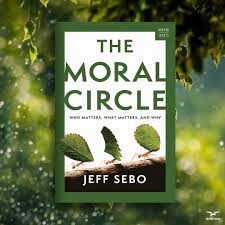
  • The Moral Circle: Who Matters, What Matters, and Why – A Deep Dive into Jeff Sebo’s Expansive Ethics

    What if our moral obligations didn’t stop at humans—or even at animals? What if they extended to artificial intelligence, insects, and maybe even microbes?

    That’s the bold, unsettling, and thought-provoking argument Jeff Sebo makes in The Moral Circle: Who Matters, What Matters, and Why. In this powerful and meticulously reasoned book, Sebo dismantles the traditional hierarchy of moral worth and asks us to radically rethink who (or what) we should care about.

    It’s the kind of book that upends your perspective—and maybe even makes you a little uncomfortable. But that’s precisely what makes it so necessary.

    The Case Against Human Exceptionalism

    From the start, Sebo takes aim at what most of us take for granted: the assumption that human beings are at the top of the moral ladder. We create laws and ethical systems that prioritize our own interests while pushing nonhuman animals—and anything else we deem “lesser”—to the margins.

    But is this hierarchy justified? Sebo argues that it isn’t. In fact, he suggests that drawing a sharp moral boundary around humans and excluding other beings is an arbitrary and unjustifiable stance. If our moral concern is based on the ability to experience suffering and well-being, then shouldn’t we extend that concern to any being with those capacities?

    It’s a compelling argument, and one that forces us to confront just how limited our ethical frameworks really are.

    The Expanding Moral Circle: Who Deserves Consideration?

    One of the book’s central ideas is that our “moral circle”—the group of beings we consider morally relevant—has expanded over time. Centuries ago, many societies didn’t even recognize all humans as equally deserving of rights. Slavery, discrimination, and exclusion were built into the social order. Over time, those circles widened, encompassing more people regardless of race, gender, or nationality.

    Now, Sebo argues, it’s time for the next expansion.

    And here’s where things get even more provocative. While many people already accept that nonhuman animals deserve moral consideration—particularly intelligent mammals like primates, elephants, and dolphins—Sebo pushes the boundary much further. He argues that:

    • Insects and other small creatures may have sentience, and we should err on the side of caution in how we treat them.

    • Artificial intelligence could one day develop capacities that warrant moral concern, even if it doesn’t look or think like a human.

    • Microbial life presents complex ethical questions, especially as we learn more about the interconnectedness of all living systems.

    Each of these arguments forces us to confront a tough question: where do we draw the line? And, more importantly, should we be drawing one at all?

    Compelling Case Studies That Challenge Our Assumptions

    Sebo doesn’t just make these claims in the abstract. He presents real-world case studies that expose the cracks in our current ethical thinking.

    1. Captive Elephants and Legal Rights

    Ongoing lawsuits about the rights of elephants in captivity highlight the contradictions in how we treat intelligent animals. If an elephant in a zoo can be cognitively and emotionally similar to a child, why don’t they have at least some of the same protections?

    2. The Ethics of Insect Farming

    With the rise of insect-based protein industries, trillions of insects are now being bred and killed for food. If insects can suffer—even to a small degree—doesn’t this demand a reassessment of our treatment of them?

    3. The Possibility of AI Consciousness

    As artificial intelligence becomes more advanced, it raises questions we’re unprepared to answer. If an AI system can express distress, make decisions, and form relationships, should we dismiss its experiences just because it isn’t biological?

    These case studies aren’t meant to provide easy answers. Instead, they force us to confront uncomfortable moral dilemmas—and acknowledge that our current ethical intuitions might not be as solid as we think.

    The Precautionary Principle: When in Doubt, Expand the Circle

    One of Sebo’s most persuasive arguments is that we should take a precautionary approach when it comes to moral consideration.

    What does that mean in practice?

    It means that if there’s even a reasonable possibility that a being can suffer or experience well-being, we should act as if they do—at least until we have evidence to the contrary. This shifts the burden of proof away from requiring absolute certainty before we extend moral concern.

    This approach isn’t just an abstract philosophical exercise. It has real-world consequences.

    • Should we rethink our reliance on factory farming, given the overwhelming evidence of animal suffering?

    • Should we slow down the development of AI until we better understand whether it can experience distress?

    • Should we reconsider mass pesticide use, given the potential for insect sentience?

    These are the kinds of ethical challenges Sebo urges us to take seriously.

    Engaging with Ethical Theories

    Sebo doesn’t just throw out provocative questions—he grounds his arguments in well-established ethical theories, including:

    • Utilitarianism: If our goal is to maximize well-being and minimize suffering, then ignoring nonhuman sentience is ethically indefensible.

    • Rights-Based Ethics: If rights are based on intrinsic worth rather than species membership, then we need to reconsider how we extend legal protections.

    • Virtue Ethics: A compassionate and just society should cultivate concern for all beings capable of suffering, not just those who look or think like us.

    While Sebo is clearly advocating for a broader moral scope, he also acknowledges the difficulties in applying these theories in practice. How do we balance competing moral interests? Where do we set practical limits? These are questions he leaves open for discussion.

    Final Thoughts: A Book That Demands Reflection

    The Moral Circle isn’t an easy read in the sense that it doesn’t allow for passive agreement. It challenges deeply ingrained beliefs and forces us to grapple with moral issues we often prefer to ignore.

    For some, the idea of extending moral concern to insects or AI might seem extreme. But history shows us that what once seemed radical—abolitionism, women’s rights, animal welfare—eventually becomes mainstream. Sebo is betting that the next frontier of moral progress lies in expanding our ethical boundaries beyond human-centric thinking.

    Whether or not you agree with all of his conclusions, one thing is certain: this book will make you think. And in a world facing urgent ethical challenges—from climate change to technological advancements—that’s exactly what we need.

    Disclosure: This post contains affiliate links. If you sign up for a free Audible trial or make a purchase through these links, I may earn a small commission at no extra cost to you. This helps support my work and allows me to keep providing book recommendations. Thank you for your support!

  • Best Books on Health and Wellness: A Comprehensive Guide

    The journey to better health and wellness is deeply personal, yet universally important. Whether you’re looking to improve your mental well-being, fine-tune your nutrition, build sustainable fitness habits, or develop a more mindful lifestyle, books can serve as powerful tools. The right book can offer science-backed insights, practical strategies, and life-changing wisdom to help you lead a healthier, more fulfilling life.

    Here’s a curated list of some of the best books on health and wellness that cover a variety of topics, from nutrition and exercise to mental resilience and longevity.


    1. “Atomic Habits” by James Clear

    Why it’s worth reading: This book is a game-changer when it comes to forming healthy habits and breaking bad ones. James Clear explains the science behind habit formation and provides a practical, step-by-step guide to making small changes that lead to remarkable results over time.

    📖 Try “Atomic Habits” for free on Audible


    2. “The Obesity Code” by Dr. Jason Fung

    Why it’s worth reading: If you’ve ever struggled with weight loss and wondered why conventional diets fail, this book offers a fresh perspective. Dr. Fung dives deep into the science of insulin resistance and intermittent fasting, providing actionable insights into sustainable weight loss.

    📖 Try “The Obesity Code” for free on Audible


    3. “How Not to Die” by Dr. Michael Greger

    Why it’s worth reading: Dr. Greger explores the scientific research behind plant-based nutrition and its role in preventing and even reversing chronic diseases. Each chapter focuses on a different condition, such as heart disease or diabetes, and provides dietary recommendations to optimize health.

    📖 Try “How Not to Die” for free on Audible


    4. “The Mind-Gut Connection” by Dr. Emeran Mayer

    Why it’s worth reading: This book explores the fascinating relationship between gut health and mental well-being. Dr. Mayer explains how the gut microbiome influences everything from mood to cognitive function and provides practical advice for improving gut health.

    📖 Try “The Mind-Gut Connection” for free on Audible


    5. “The Blue Zones: 9 Lessons for Living Longer” by Dan Buettner

    Why it’s worth reading: Ever wondered why certain populations around the world live longer and healthier lives? Dan Buettner uncovers the habits, diets, and social structures of these longevity hotspots and distills them into actionable lessons for the rest of us.

    📖 Try “The Blue Zones” for free on Audible


    6. “Why We Sleep” by Dr. Matthew Walker

    Why it’s worth reading: Sleep is the cornerstone of good health, yet it’s often overlooked. Neuroscientist Dr. Walker dives into the science of sleep, explaining why it’s crucial for physical and mental health while offering strategies to improve sleep quality.

    📖 Try “Why We Sleep” for free on Audible


    7. “The Joy of Movement” by Dr. Kelly McGonigal

    Why it’s worth reading: Instead of focusing on exercise as a means to lose weight or get fit, Dr. McGonigal explores how movement itself is a source of joy, resilience, and mental well-being.

    📖 Try “The Joy of Movement” for free on Audible


    8. “Breath: The New Science of a Lost Art” by James Nestor

    Why it’s worth reading: Breathing is something we do unconsciously, yet James Nestor shows how improving breathing techniques can enhance health, athletic performance, and mental clarity.

    📖 Try “Breath” for free on Audible


    9. “The Body Keeps the Score” by Dr. Bessel van der Kolk

    Why it’s worth reading: Trauma impacts both the body and mind. Dr. van der Kolk explores how trauma reshapes the brain and body, offering insights into healing through practices like yoga, mindfulness, and therapy.

    📖 Try “The Body Keeps the Score” for free on Audible


    10. “Ikigai: The Japanese Secret to a Long and Happy Life” by Héctor García and Francesc Miralles

    Why it’s worth reading: This book blends philosophy, lifestyle, and science to explore how the Japanese concept of Ikigai (a sense of purpose) contributes to longevity and happiness.

    📖 Try “Ikigai” for free on Audible


    Final Thoughts

    Reading about health and wellness is an investment in yourself. Whether you want to fine-tune your habits, eat better, move more, or cultivate a deeper sense of well-being, these books offer actionable strategies to help you thrive.

    Which of these books have you read? Do you have any favorites to add to the list? Let’s discuss in the comments!


    Disclosure: This post contains affiliate links. If you sign up for a free Audible trial or make a purchase through these links, I may earn a small commission at no extra cost to you. This helps support my work and allows me to keep providing book recommendations. Thank you for your support!

  • 10 Mind-Blowing Science & Nature Books That Will Change How You See the World

    You ever pick up a book that completely shifts the way you see the world? That’s the magic of a great science or nature book. These aren’t just dry, academic texts stuffed with facts; the best ones make you feel like you’re on a journey—whether it’s deep into the rainforest, out into the vastness of space, or even into the microscopic world hiding right under your nose.

    If you’re looking to get lost in the wonders of the universe, here are some of the best books on science and nature that’ll blow your mind and make you appreciate the world in a whole new way.

    1. The Sixth Extinction: An Unnatural History by Elizabeth Kolbert

    Ever feel like we’re living through something huge, something historic? That’s because we are. The Sixth Extinction explores how human activity is driving a mass extinction event on a scale the planet has only seen five times before. Kolbert masterfully blends research with real-world storytelling, taking readers to places where this crisis is playing out firsthand. It’s urgent, sobering, and a must-read for anyone who cares about our planet’s future.
    Start your free Audible trial and listen here.

    2. Sapiens: A Brief History of Humankind by Yuval Noah Harari

    How did we, a bunch of hairless apes, come to dominate the planet? Harari’s Sapiens is part anthropology, part philosophy, and all fascinating. He takes you from the dawn of Homo sapiens to modern society, exploring the key revolutions—cognitive, agricultural, and industrial—that shaped us. This book will make you question everything you thought you knew about human history.
    Start your free Audible trial and listen here.

    3. The Hidden Life of Trees by Peter Wohlleben

    What if I told you trees talk to each other? No, really—they do. Wohlleben, a forester, reveals the secret social networks of trees, showing how they communicate, share nutrients, and even look out for one another. It’ll change the way you see forests forever. If you love nature, this is an absolute gem.
    Start your free Audible trial and listen here.

    4. A Short History of Nearly Everything by Bill Bryson

    Science can be intimidating, but not when Bryson explains it. He takes you on a whirlwind tour of everything—from the Big Bang to quantum mechanics—making complex concepts not just understandable, but downright entertaining. This book is like sitting down with your funniest, smartest friend and getting a crash course in, well, nearly everything.
    Start your free Audible trial and listen here.

    5. The Gene: An Intimate History by Siddhartha Mukherjee

    Genes make us who we are, but how much do we really understand about them? Mukherjee dives deep into the history of genetics, from Gregor Mendel’s pea plants to the ethical dilemmas of gene editing. It’s part science, part personal story (his family’s history of mental illness plays a role), and it’ll leave you pondering the future of humanity.
    Start your free Audible trial and listen here.

    6. Why We Sleep: Unlocking the Power of Sleep and Dreams by Matthew Walker

    Think sleep is just a waste of time? Think again. Walker lays out why sleep is the single most important thing you can do for your health, memory, and even lifespan. This book might just convince you to ditch the late-night scrolling and get some real rest.
    Start your free Audible trial and listen here.

    7. Entangled Life: How Fungi Make Our Worlds, Change Our Minds & Shape Our Futures by Merlin Sheldrake

    Fungi are weird, wonderful, and running the show in ways we’re only beginning to understand. This book explores how fungi connect entire ecosystems, help trees communicate, and even influence animal behavior. It’s trippy, mind-expanding, and will make you appreciate mushrooms in a whole new way.
    Start your free Audible trial and listen here.

    8. The Immortal Life of Henrietta Lacks by Rebecca Skloot

    Science isn’t just about discoveries—it’s about people. Henrietta Lacks was a poor Black woman whose cancer cells were taken without her knowledge, leading to some of the biggest medical breakthroughs of our time. This book tells her story, the science behind HeLa cells, and the ethical dilemmas still relevant today.
    Start your free Audible trial and listen here.

    9. Cosmos by Carl Sagan

    No list of science books would be complete without Carl Sagan. Cosmos takes you on a grand tour of the universe, blending astronomy, philosophy, and Sagan’s signature poetic writing. Even decades after its release, it remains one of the best introductions to the wonder of space.
    Start your free Audible trial and listen here.

    10. The Invention of Nature: Alexander von Humboldt’s New World by Andrea Wulf

    Alexander von Humboldt isn’t a household name, but he should be. This book tells the story of the man who revolutionized our understanding of nature, inspiring figures like Darwin along the way. Wulf’s writing is vivid and engaging, making history feel alive.
    Start your free Audible trial and listen here.

    Final Thoughts

    Science and nature books aren’t just about facts—they’re about stories, ideas, and ways of seeing the world that can completely transform your perspective. Whether you want to understand the universe, explore the hidden world of fungi, or rethink human history, these books will take you on an unforgettable journey.

    Which one are you most excited to dive into? Or do you have a favorite I missed? Drop your thoughts in the comments!

    Disclosure: This post contains affiliate links. If you sign up for a free Audible trial or make a purchase through these links, I may earn a small commission at no extra cost to you. This helps support my work and allows me to keep providing book recommendations. Thank you for your support!

  • Unlocking the Soul: The Best Books on Spirituality for Inner Growth

    Some books entertain, some educate, and then there are those rare gems that transform us. Spirituality isn’t just about religion or mysticism—it’s about connection, meaning, and understanding the deeper layers of existence. The right book at the right time can shift your perspective, quiet your mind, and awaken something within you that’s been waiting to be discovered.

    Whether you’re seeking inner peace, a sense of purpose, or a new way of seeing the world, these books on spirituality offer profound insights that can guide your journey. Some are rooted in ancient wisdom, others draw from modern philosophy, but all have the power to change your life.

    Here’s a carefully curated list of the best spiritual books that will help you navigate life with more clarity, purpose, and peace.

    1. The Power of Now by Eckhart Tolle

    Few books have had as massive an impact on spiritual seekers as The Power of Now. Tolle’s message is simple yet profound: most of our suffering comes from living in the past or worrying about the future. True peace can only be found in the present moment.

    Through practical teachings and a calm, reassuring tone, Tolle walks readers through how to quiet their minds, detach from their egos, and find stillness within. This book is perfect for anyone struggling with anxiety, stress, or a constant stream of negative thoughts.

    If you’ve ever wished you could just be—without judgment, fear, or overthinking—this book is a game-changer.

    Listen to The Power of Now on Audible for free.

    2. The Untethered Soul by Michael A. Singer

    Have you ever noticed that there’s a voice in your head constantly narrating your life? Michael Singer’s The Untethered Soul helps you step back and observe that voice rather than being consumed by it.

    Singer explores what it means to be truly free—not just physically, but emotionally and mentally. He explains how we build walls around ourselves, resisting discomfort and clinging to fleeting happiness, which ultimately leads to suffering.

    This book offers a powerful reminder that we are not our thoughts, emotions, or past experiences. Instead, we are the awareness behind them. When we learn to observe without attachment, life becomes lighter, more peaceful, and infinitely more beautiful.

    If you struggle with overthinking or feel trapped in old emotional patterns, this book will help you break free.

    Listen to The Untethered Soul for free on Audible.

    3. A New Earth by Eckhart Tolle

    While The Power of Now focuses on being present, A New Earth dives deeper into the concept of ego—the invisible force that fuels our fears, desires, and sense of identity. Tolle argues that most human suffering stems from the ego’s need to defend itself, seek validation, or control outcomes.

    This book is an eye-opener for anyone who wants to live with more purpose and less emotional turmoil. Tolle breaks down how the ego operates and offers practical steps to detach from it, allowing for greater peace, joy, and authenticity.

    If you’re ready to shed limiting beliefs and step into a more enlightened way of being, A New Earth is a must-read.

    Start your free Audible trial to listen to A New Earth.

    4. The Four Agreements by Don Miguel Ruiz

    Based on ancient Toltec wisdom, The Four Agreements is a simple yet deeply transformative book. Ruiz presents four guiding principles to free yourself from self-imposed suffering and live with more love, clarity, and authenticity.

    The agreements are:

    1. Be impeccable with your word – Speak with integrity and say only what you truly mean.

    2. Don’t take anything personally – Nothing others do is because of you; it’s a reflection of their reality.

    3. Don’t make assumptions – Communicate clearly and don’t jump to conclusions.

    4. Always do your best – Your best will change from moment to moment, but giving your all keeps you free from regret.

    This book is short, practical, and incredibly empowering. If you want a quick yet profound shift in perspective, this is one to pick up.

    Try The Four Agreements on Audible.

    5. The Seat of the Soul by Gary Zukav

    If you’re looking for a book that bridges spirituality with modern life, The Seat of the Soul is a powerful read. Zukav explores how we are all evolving from being driven by external power (money, status, control) to developing authentic, soulful power—one rooted in love, harmony, and deeper meaning.

    This book helps readers understand how their thoughts, emotions, and choices contribute to their spiritual growth. It’s a mix of psychology, science, and spirituality, making it accessible to anyone—whether you believe in soul evolution or just want to live with more purpose.

    Listen to The Seat of the Soul here.

    6. Dying to Be Me by Anita Moorjani

    Anita Moorjani’s Dying to Be Me is not just a spiritual book—it’s a personal testament to the power of unconditional love and self-acceptance. After a near-death experience, Moorjani returned with profound insights into the nature of reality, consciousness, and healing.

    Her story challenges traditional ideas about life, death, and illness. She describes what she learned in the afterlife—how fear holds us back, how love is our true nature, and how we can embrace our highest selves.

    If you’re struggling with fear or self-doubt, this book is an inspiring reminder that you are enough exactly as you are.

    Listen to Dying to Be Me on Audible.

    7. Be Here Now by Ram Dass

    This book isn’t just something you read—it’s something you experience. Ram Dass was a Harvard professor turned spiritual seeker, and Be Here Now is a beautiful, artistic, and deeply philosophical guide to mindfulness and self-discovery.

    It’s filled with wisdom, illustrations, and meditative reflections, making it perfect for those who want a more creative, immersive approach to spirituality.

    If you’re new to meditation, mindfulness, or Eastern philosophy, Be Here Now is a fantastic place to start.

    Try Be Here Now on Audible.

    Final Thoughts: Which Spiritual Book Speaks to You?

    Spirituality is a personal journey—what resonates deeply with one person may not with another. The key is to find the book that speaks to you in this moment. Whether you’re seeking inner peace, personal transformation, or just a new way to see the world, these books offer powerful insights to guide you.

    Which of these books has had the biggest impact on you? Or is there another one that changed your life? Let’s discuss in the comments!

    Disclosure: This post contains affiliate links. If you sign up for a free Audible trial or make a purchase through these links, I may earn a small commission at no extra cost to you. This helps support my work and allows me to keep providing book recommendations. Thank you for your support!

  • Top Books on Education and Learning

    Education is a lifelong journey, and the best books on the subject can help us become better learners, teachers, and thinkers. Whether you’re an educator, a student, or simply someone interested in improving the way you acquire knowledge, these books provide valuable insights into the science of learning, effective teaching strategies, and the philosophy of education. Here are some of the most impactful books on education and learning.

    1. Make It Stick: The Science of Successful Learning by Peter C. Brown, Henry L. Roediger III, and Mark A. McDaniel

    Many of us rely on ineffective learning techniques like rereading and cramming. Make It Stick challenges these common misconceptions and provides evidence-based strategies to improve learning retention. The book explores techniques like spaced repetition, retrieval practice, and interleaving, making it a must-read for students, educators, and lifelong learners.

    Try the free audiobook

    2. How We Learn: The Surprising Truth About When, Where, and Why It Happens by Benedict Carey

    This book delves into the fascinating science of learning, debunking myths and revealing unexpected truths about how our brains absorb information. Carey’s engaging writing style and real-life examples make complex cognitive science accessible, offering practical tips for students and professionals looking to optimize their learning processes.

    Try the free audiobook

    3. Why Don’t Students Like School? by Daniel T. Willingham

    Cognitive scientist Daniel Willingham examines how the mind learns and applies cognitive psychology to classroom teaching. He explains why students struggle with certain subjects and provides strategies for making learning more engaging. This book is especially useful for educators who want to foster curiosity and deeper understanding in their students.

    Try the free audiobook

    4. Grit: The Power of Passion and Perseverance by Angela Duckworth

    Angela Duckworth’s research shows that intelligence isn’t the only predictor of success—grit, or the combination of passion and perseverance, is just as important. This book is a powerful resource for educators, parents, and students looking to cultivate resilience in learning and personal development.

    Try the free audiobook

    5. The Talent Code: Greatness Isn’t Born. It’s Grown. Here’s How. by Daniel Coyle

    Coyle explores how deep practice, ignition, and master coaching contribute to skill development. The book examines talent hotbeds around the world, revealing how anyone can maximize their learning potential through strategic practice and motivation.

    Try the free audiobook

    6. The Power of the Adolescent Brain: Strategies for Teaching Middle and High School Students by Thomas Armstrong

    Understanding how the adolescent brain works is key to effective teaching. Armstrong provides insights into brain development and offers strategies to engage students more effectively. This book is a must-read for teachers looking to create a more dynamic and brain-friendly classroom environment.

    Try the free audiobook

    7. Mindset: The New Psychology of Success by Carol S. Dweck

    Dweck’s groundbreaking research on fixed vs. growth mindsets has transformed how we think about learning. This book explains how a growth mindset fosters resilience, motivation, and achievement in both students and educators.

    Try the free audiobook

    8. Peak: Secrets from the New Science of Expertise by Anders Ericsson and Robert Pool

    Based on decades of research, Peak explores how expert-level performance is achieved through deliberate practice rather than innate talent. This book is essential for educators, students, and professionals looking to hone their skills through intentional and structured learning methods.

    Try the free audiobook

    9. The Reading Mind: A Cognitive Approach to Understanding How the Mind Reads by Daniel T. Willingham

    Reading is a fundamental skill, but how does our brain process written language? Willingham provides a deep dive into the cognitive science behind reading, offering insights for educators, parents, and literacy advocates.

    Try the free audiobook

    10. The Smartest Kids in the World: And How They Got That Way by Amanda Ripley

    Ripley follows students from the U.S. as they study in Finland, South Korea, and Poland—countries known for their high-performing education systems. Through their experiences, the book reveals what makes these schools so effective and what other systems can learn from them.

    Try the free audiobook

    11. Teach Like a Champion 3.0: 63 Techniques That Put Students on the Path to College by Doug Lemov

    A favorite among educators, this book provides actionable classroom strategies that improve student engagement and learning outcomes. Lemov’s techniques are based on real-world observations of high-performing teachers and have been widely adopted in classrooms worldwide.

    Try the free audiobook

    12. Outliers: The Story of Success by Malcolm Gladwell

    Gladwell examines why some people achieve extraordinary success, exploring factors like culture, opportunity, and practice. His discussion of the “10,000-hour rule” has influenced how people think about mastery and learning.

    Try the free audiobook

    13. Limitless: Upgrade Your Brain, Learn Anything Faster, and Unlock Your Exceptional Life by Jim Kwik

    Jim Kwik, a renowned brain coach, shares techniques to improve memory, reading speed, and focus. This book is packed with actionable tips for students and professionals who want to enhance their learning abilities.

    Try the free audiobook

    14. Drive: The Surprising Truth About What Motivates Us by Daniel H. Pink

    Motivation plays a critical role in learning. Pink explores the science behind what drives us, debunking common myths about incentives and offering insights that can transform education and workplace learning.

    Try the free audiobook

    15. The Art of Learning: A Journey in the Pursuit of Excellence by Josh Waitzkin

    Written by a chess prodigy turned martial arts champion, this book delves into the psychology of learning and mastery. Waitzkin’s personal experiences make this an inspiring read for those looking to excel in any field.

    Try the free audiobook

    Final Thoughts

    Education isn’t just about formal schooling—it’s about lifelong learning and growth. Whether you’re a teacher, student, or someone passionate about expanding your mind, these books offer invaluable insights into how we learn best. Which of these books have you read? Do you have a favorite? Let me know in the comments!

    Disclosure

    This post contains affiliate links. If you sign up for a free Audible trial or make a purchase through these links, I may earn a small commission at no extra cost to you. This helps support my work and allows me to keep providing book recommendations. Thank you for your support!